How Long Should uPVC Fascia and Soffits Last?
When homeowners start thinking about replacing their roofline, one of the first things they usually want to know is how long new fascia boards and soffits are actually expected to last. It is a fair question because roofline replacement is not something people want to keep revisiting every few years. Most homeowners are looking for a long-term solution that protects the property properly and removes the constant maintenance that often comes with an older timber roofline.
In general, a properly installed uPVC roofline system should comfortably last for decades with very little upkeep required. The important part there, though, is “properly installed” because not all roofline installations are carried out the same way, and that often makes a much bigger difference than people realise.
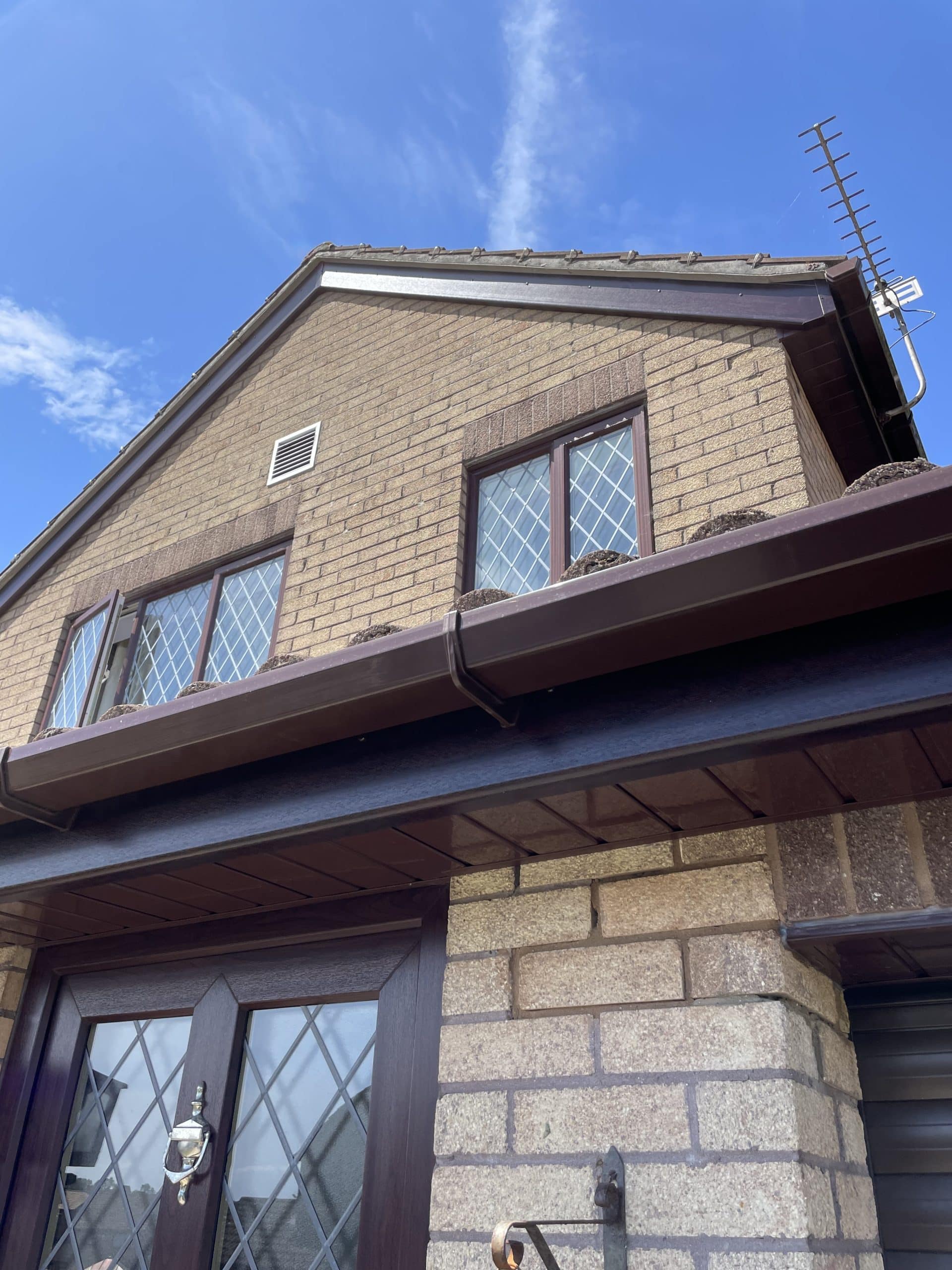
Across South Wales, there are still many properties with original timber fascia boards and soffits that have been painted over and repaired time and time again to keep them going a little longer. Quite often, homeowners only start looking into replacement once the maintenance becomes frustrating or the timber starts showing signs of deterioration.
We still regularly see homes where timber has been painted year after year in an attempt to hold things together, but eventually there comes a point where replacing the roofline properly makes more sense both financially and practically.
That is one of the reasons uPVC roofline became so popular in the first place.
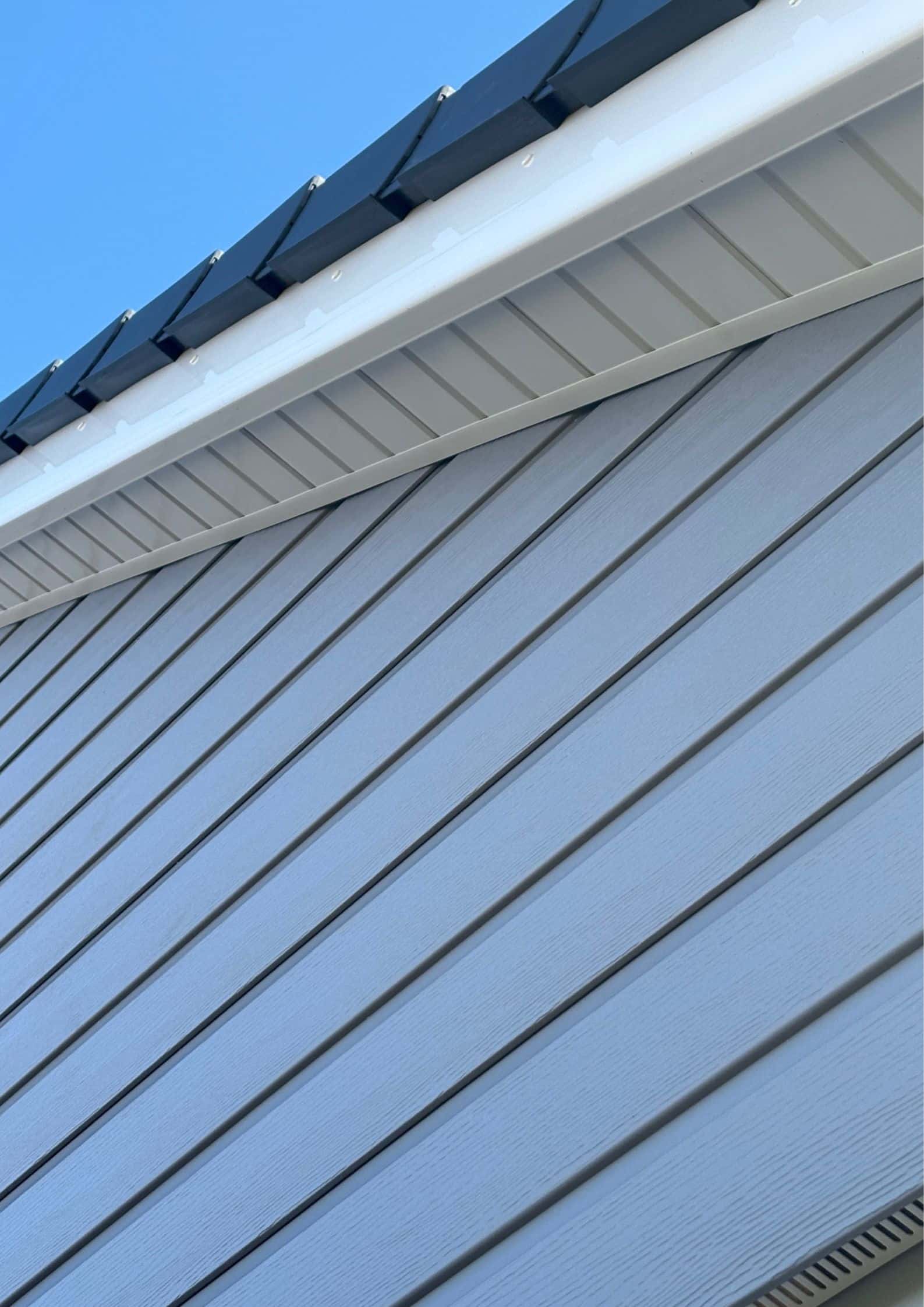
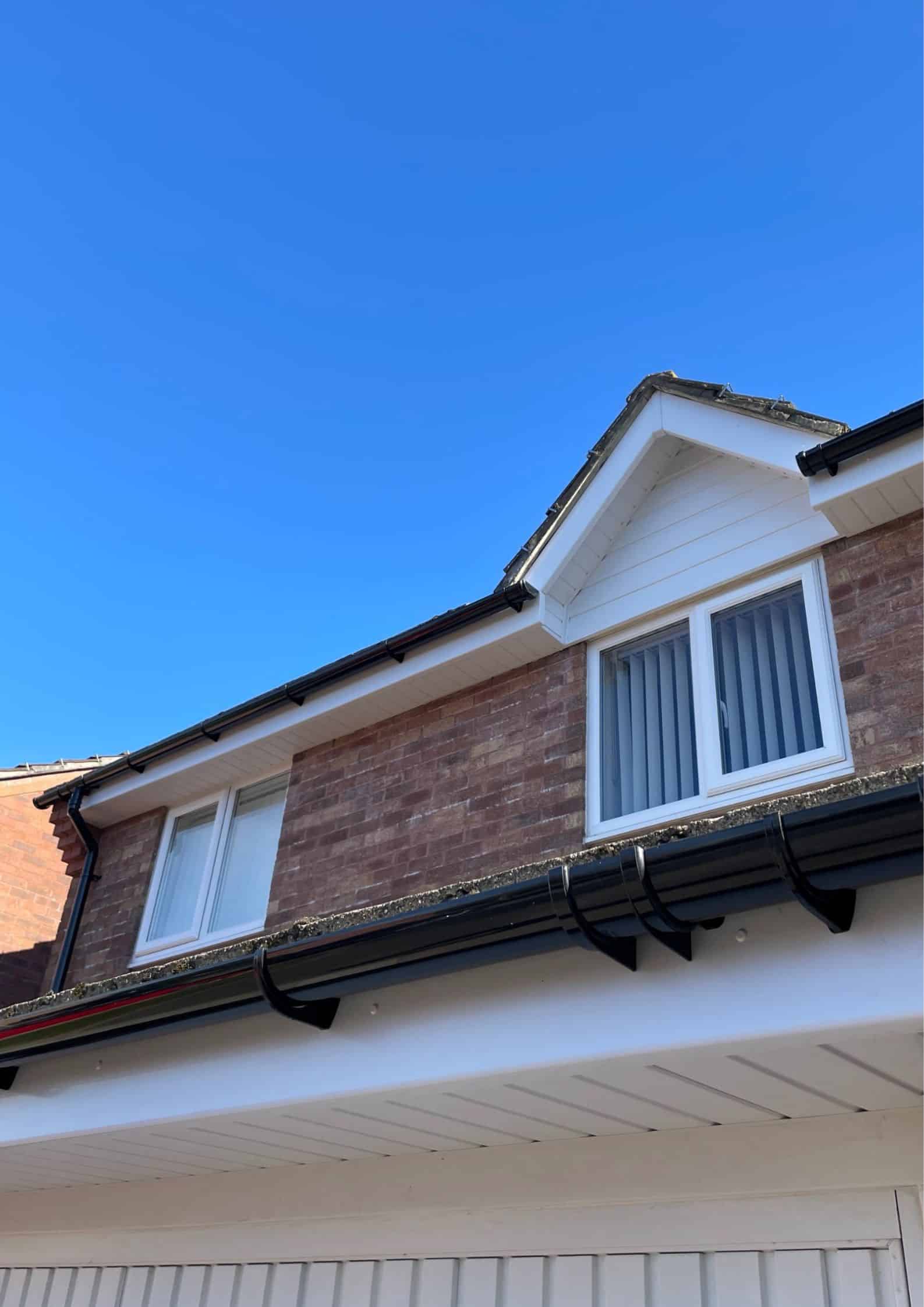
uPVC Fascia and uPVC Soffits
Unlike traditional timber, modern uPVC fascia boards and soffits are designed to cope with constant exposure to weather without needing continual sanding, repainting and repairing. Once fitted correctly, they are low maintenance, weather-resistant and designed to perform well long term. They do not rust, rot or peel, which makes them especially practical in hard-to-reach roofline areas.
Fascias and soffits can be made from wood, metal or uPVC, but uPVC remains a popular option because of its durability and low-maintenance finish.
However, the lifespan of any roofline system depends on more than just the material itself.
One of the biggest misconceptions is that roofline replacement is simply attaching new plastic boards to the outside of a house. In reality, what sits underneath and how the installation has been carried out often determine how well the roofline performs years later. Unlike timber, uPVC is also not vulnerable to pests in the same way.
Quite often, homeowners only see the finished appearance once the work is complete, but long-term durability usually comes down to the preparation work carried out before the new boards are ever fitted.
For example, if old timber fascia boards have started deteriorating and are simply covered rather than removed properly, underlying issues can continue developing unseen behind the new outer layer. Moisture damage does not disappear because new boards are fixed over the top, and weakened timber underneath does not suddenly become structurally sound again.
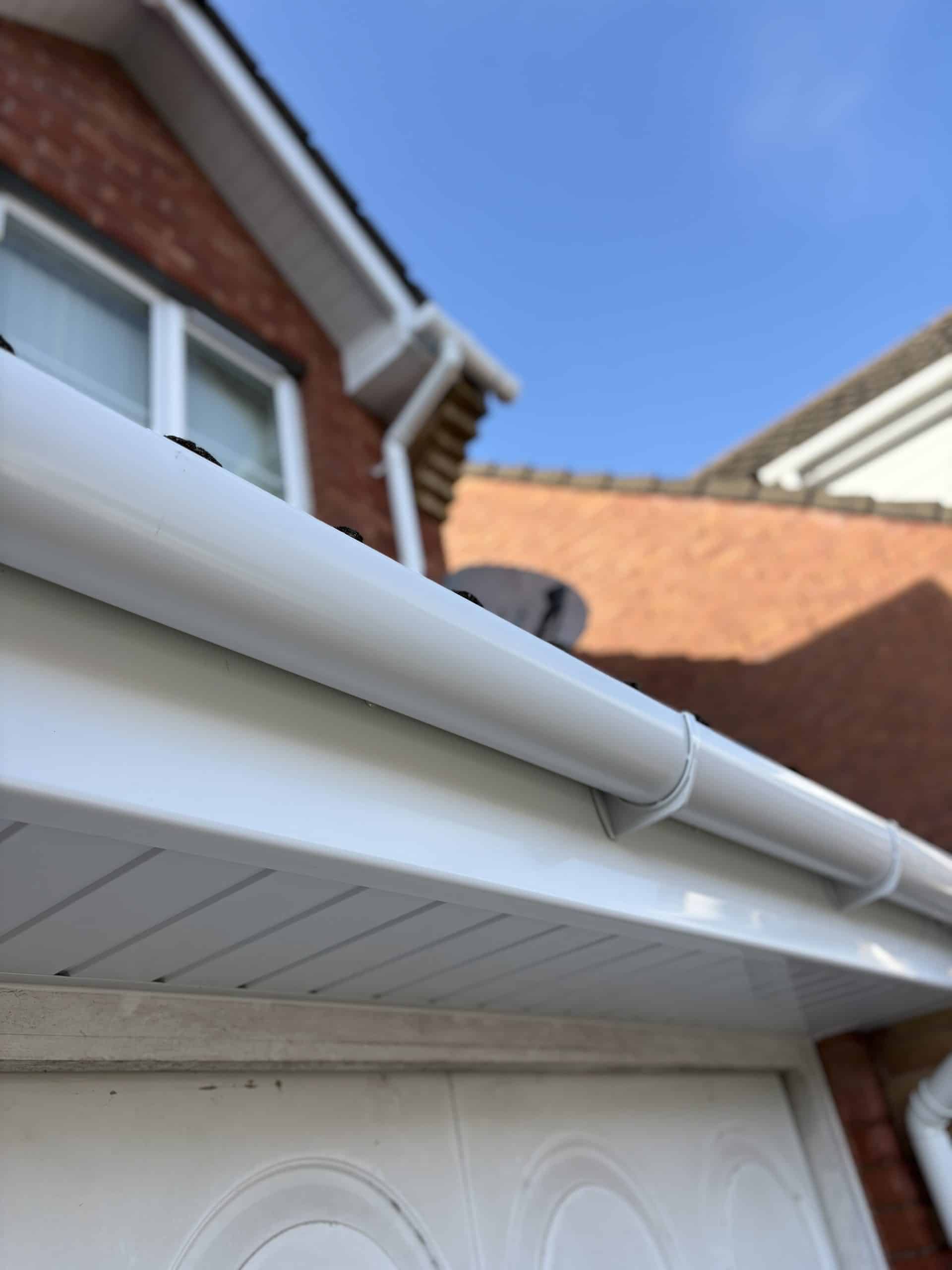
Full Roofline Replacement
That is why many experienced roofline installers prefer full replacement systems rather than thinner capping boards fixed onto existing timber.
Once existing fascia boards, soffits and guttering are removed completely, the structure underneath can actually be inspected properly before installation begins. Any hidden issues can then be identified and dealt with rather than simply remaining hidden behind new materials.
That stage makes a huge difference over time.
A lot of homeowners are surprised by how much can sit behind old fascia boards without being visible from ground level. Sometimes externally everything can still look reasonably tidy, while underneath years of moisture exposure have gradually caused deterioration that nobody realised was there.
Roofline Ventilation
Ventilation is another important factor that affects roofline lifespan and it is something many older properties across Cardiff, Newport, Caerphilly, Bridgend and surrounding South Wales areas were simply not originally designed with in mind.
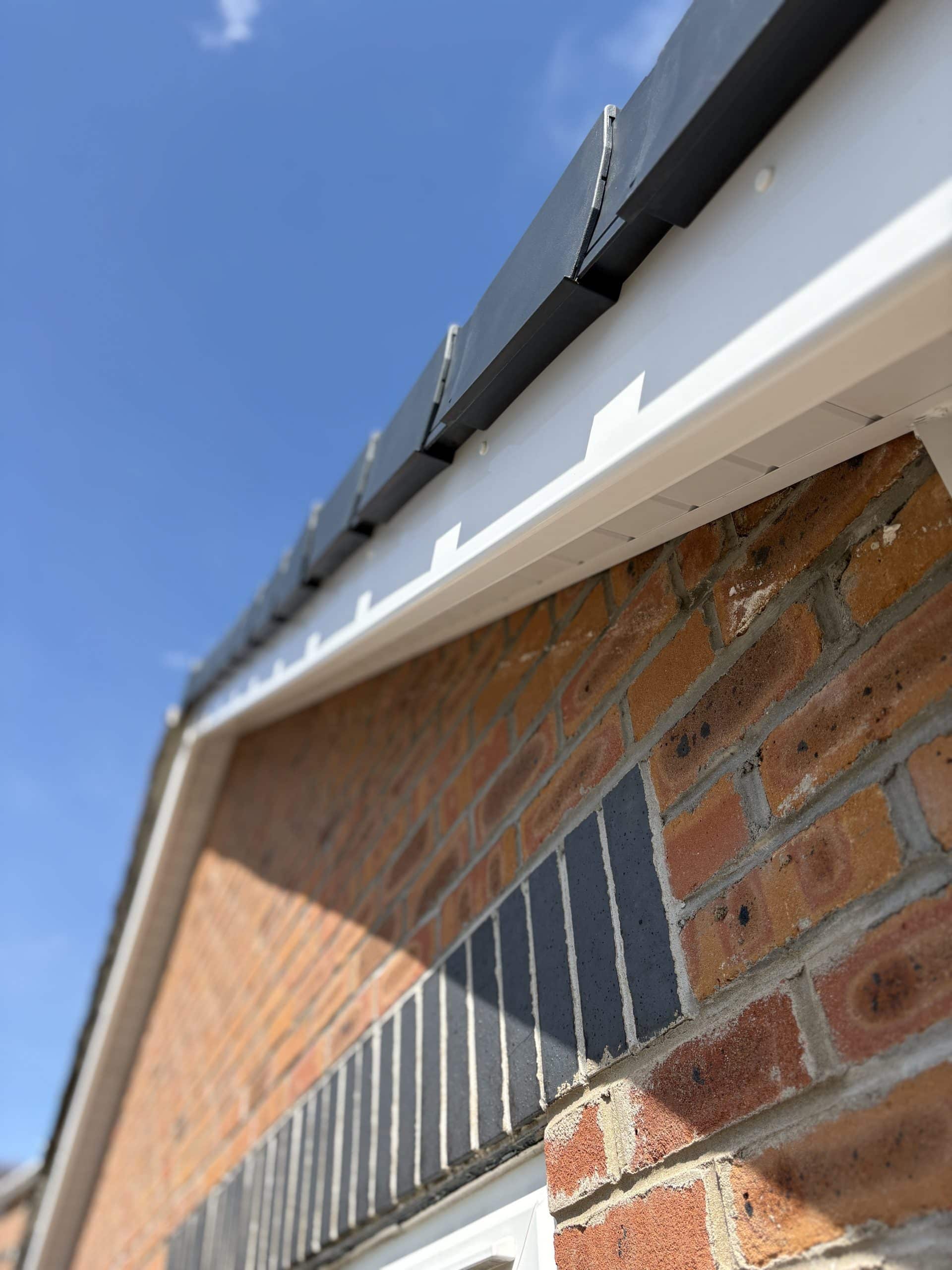
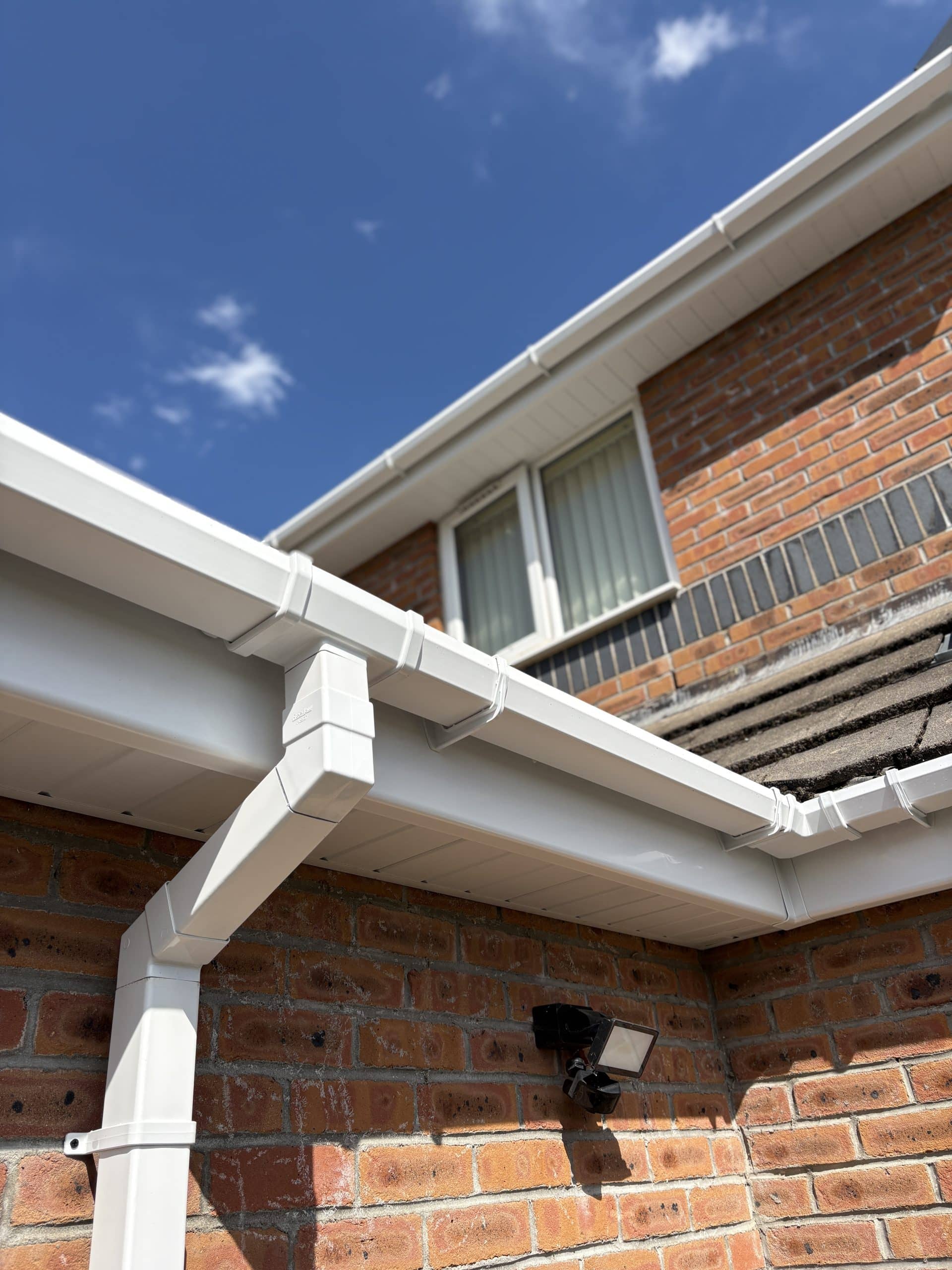
Modern roofline systems often include over-fascia ventilation to help airflow into the roof space because good ventilation helps reduce moisture build-up over time. It is one of those details many homeowners may never physically notice once the installation has been completed, but it plays a very important role long term.
Eaves Protection
The same applies to eaves protection systems, which help direct rainwater correctly into the guttering. Again, it is not the sort of thing most people see once the work is finished, but those hidden details often make the biggest difference years later.
The type of fascia board being installed matters as well.
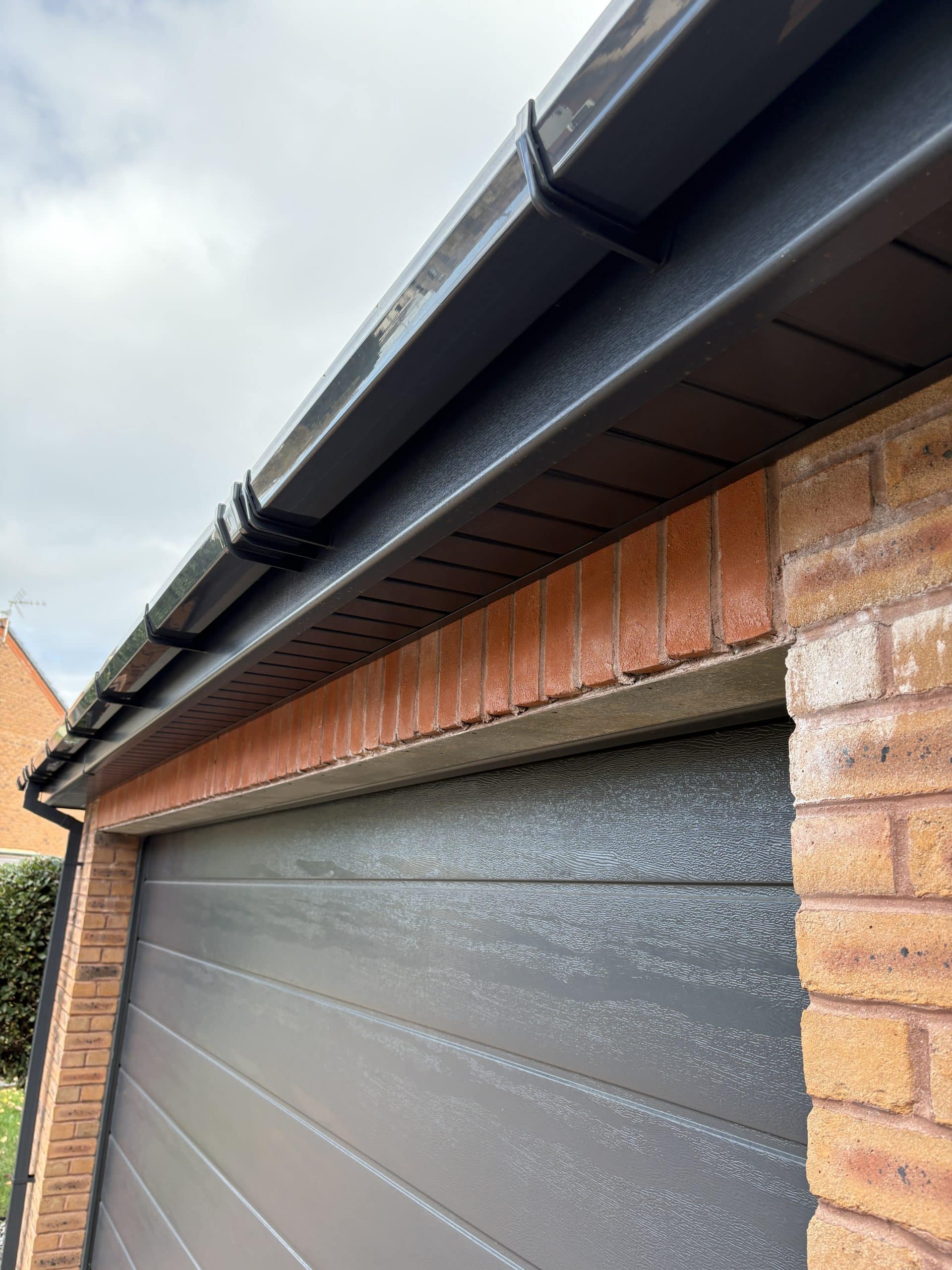
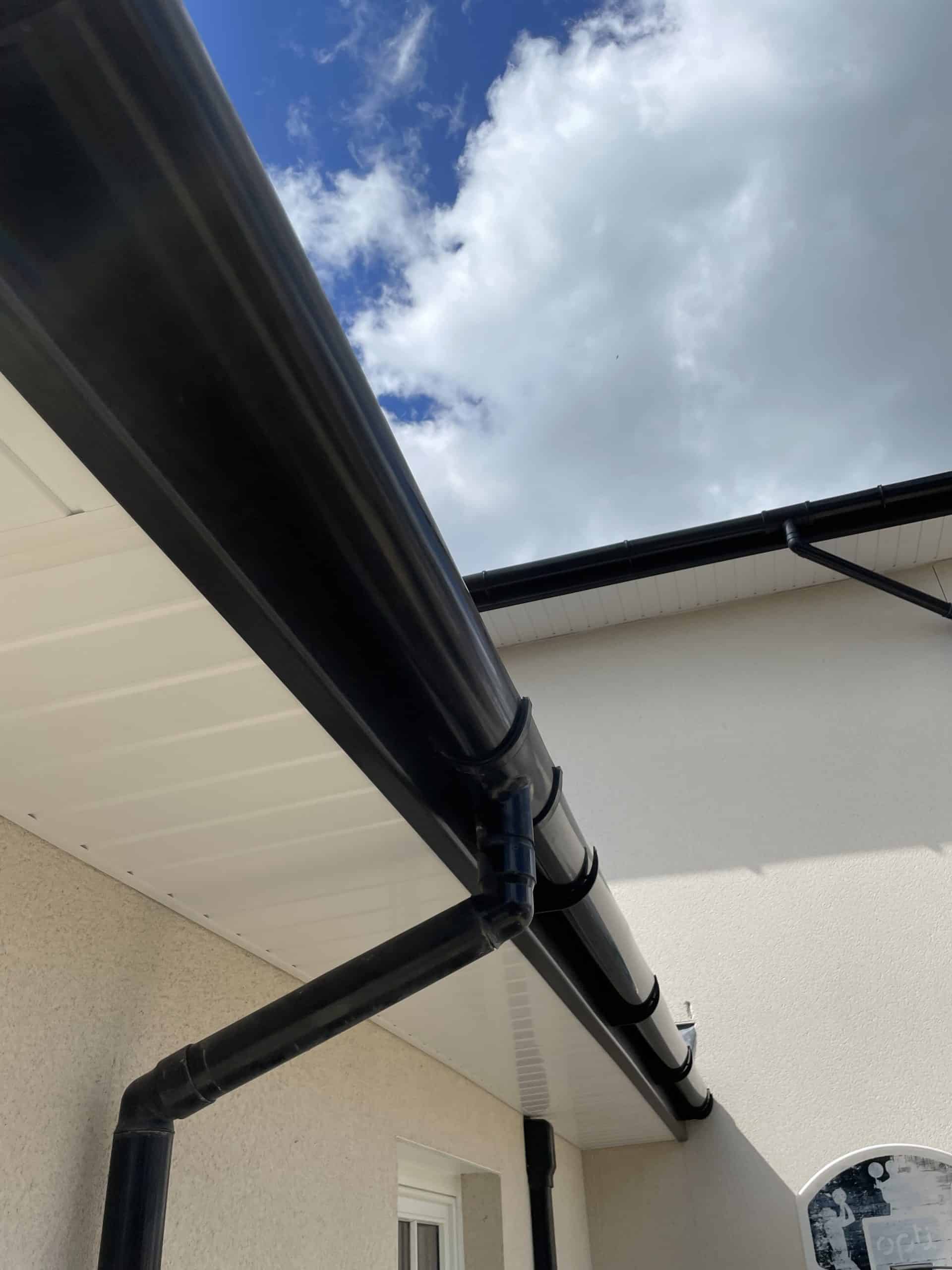
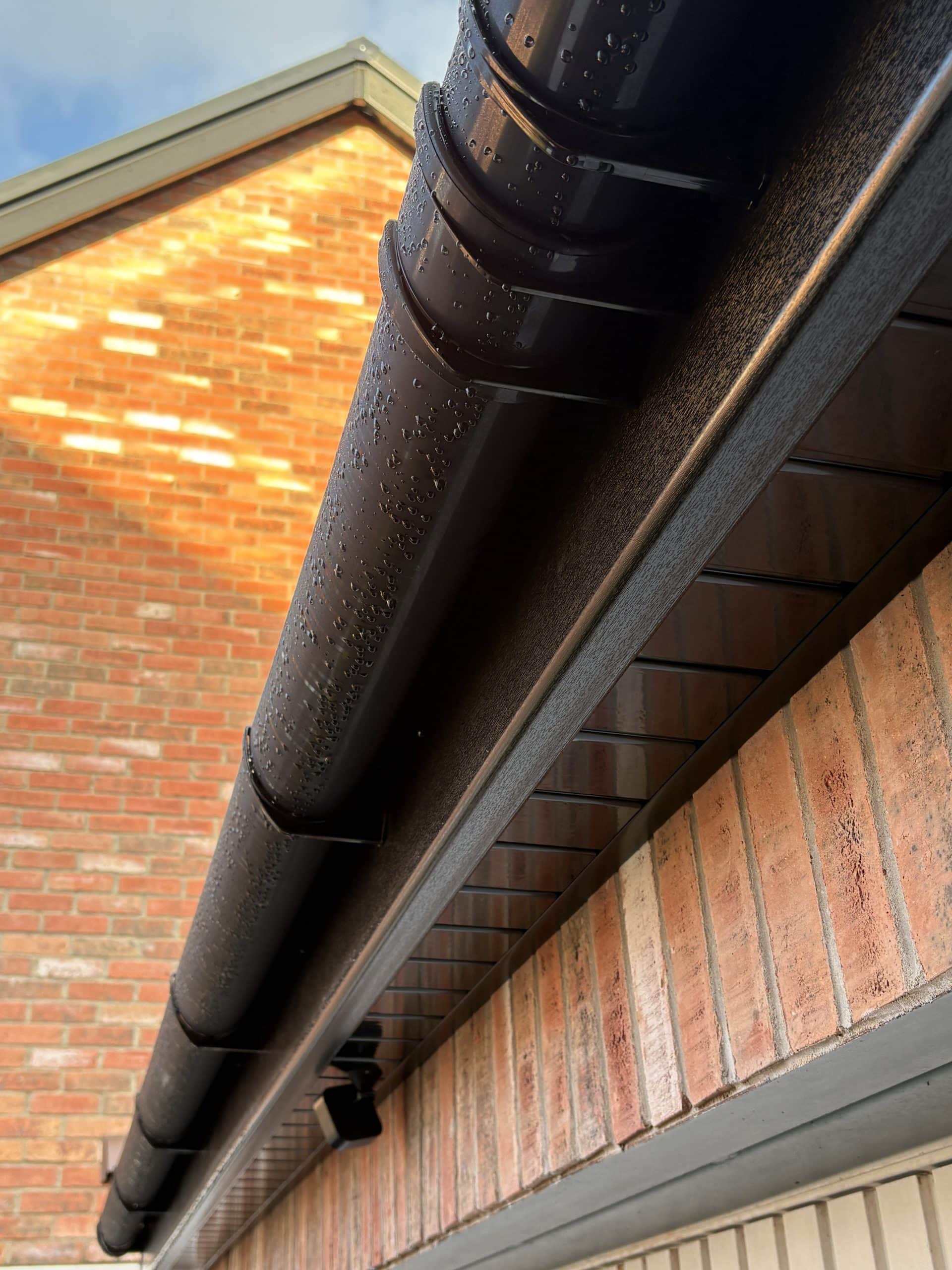
Full replacement fascia boards run horizontally along the roof edge, supporting the bottom row of roof tiles and providing the fixing point for guttering so it stays securely attached. They are generally regarded as a much stronger long-term solution than thinner cosmetic cover boards. Many homeowners do not realise just how heavy guttering becomes during prolonged rainfall once it is holding large amounts of water, particularly during the kind of weather South Wales can experience through the winter months.
Roofline has to cope with a lot over time. Driving rain, changing temperatures, strong winds and constant weather exposure all place pressure on external materials year after year, which is why installation quality matters just as much as material quality.
Low Maintenance
One of the biggest advantages a homeowner notices once replacing old timber roofline with modern uPVC is simply the reduction in maintenance. Instead of continually repainting and carrying out repairs just to keep the roofline weather resistant and presentable, ongoing upkeep becomes minimal and more efficiently managed.
That does not mean roofline should be ignored completely, of course. Gutters still need to be maintained properly because blocked gutters can create problems for any roofline system if overflowing water is allowed to back up repeatedly over long periods.
Regular gutter clearing remains important because allowing water to overflow constantly can eventually affect surrounding areas, regardless of the material installed. For most homeowners, though, a modern uPVC roofline removes a huge amount of the regular maintenance associated with older timber fascia and soffits, leaving far less to deal with.
Modern Finishings
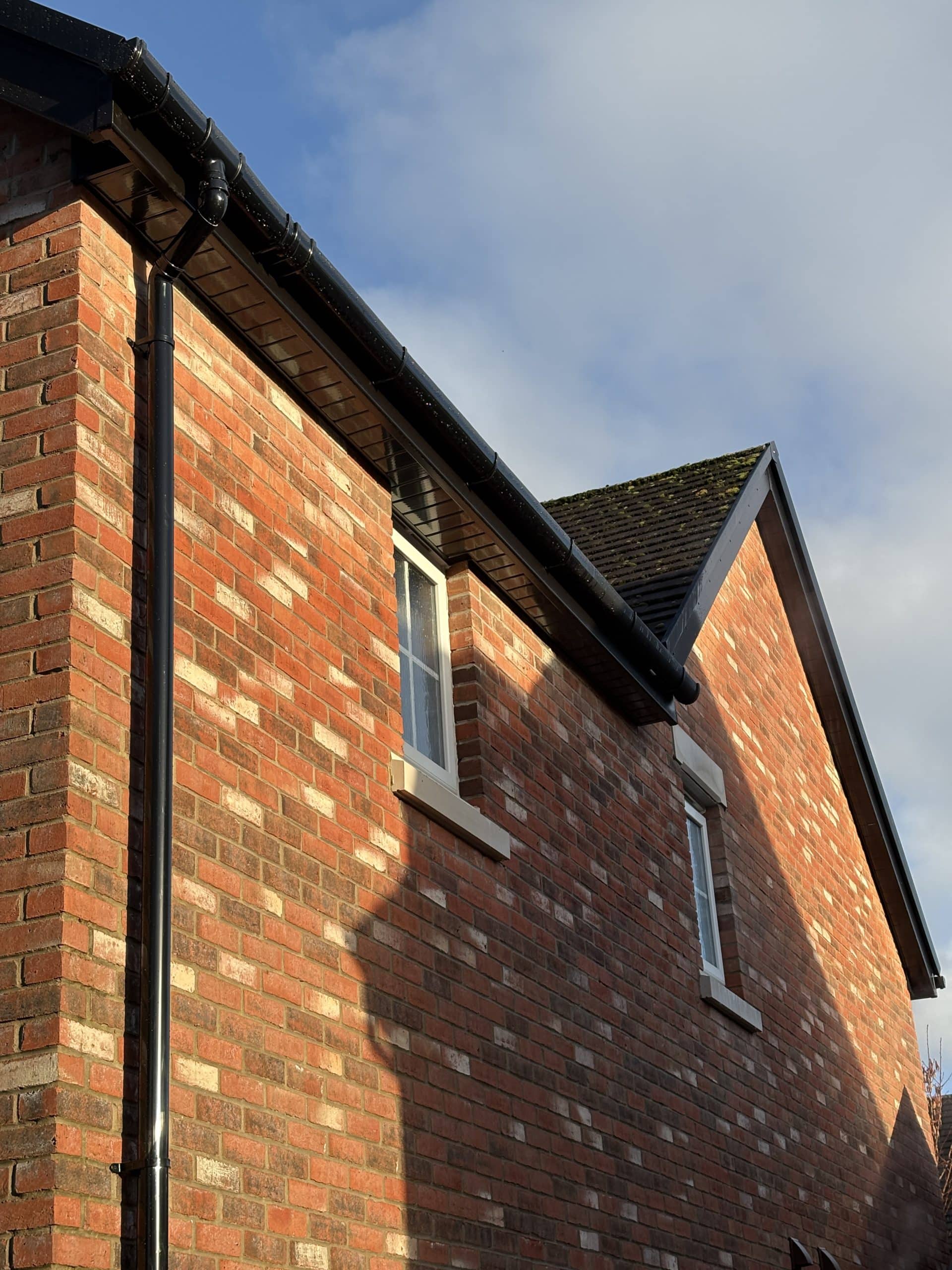
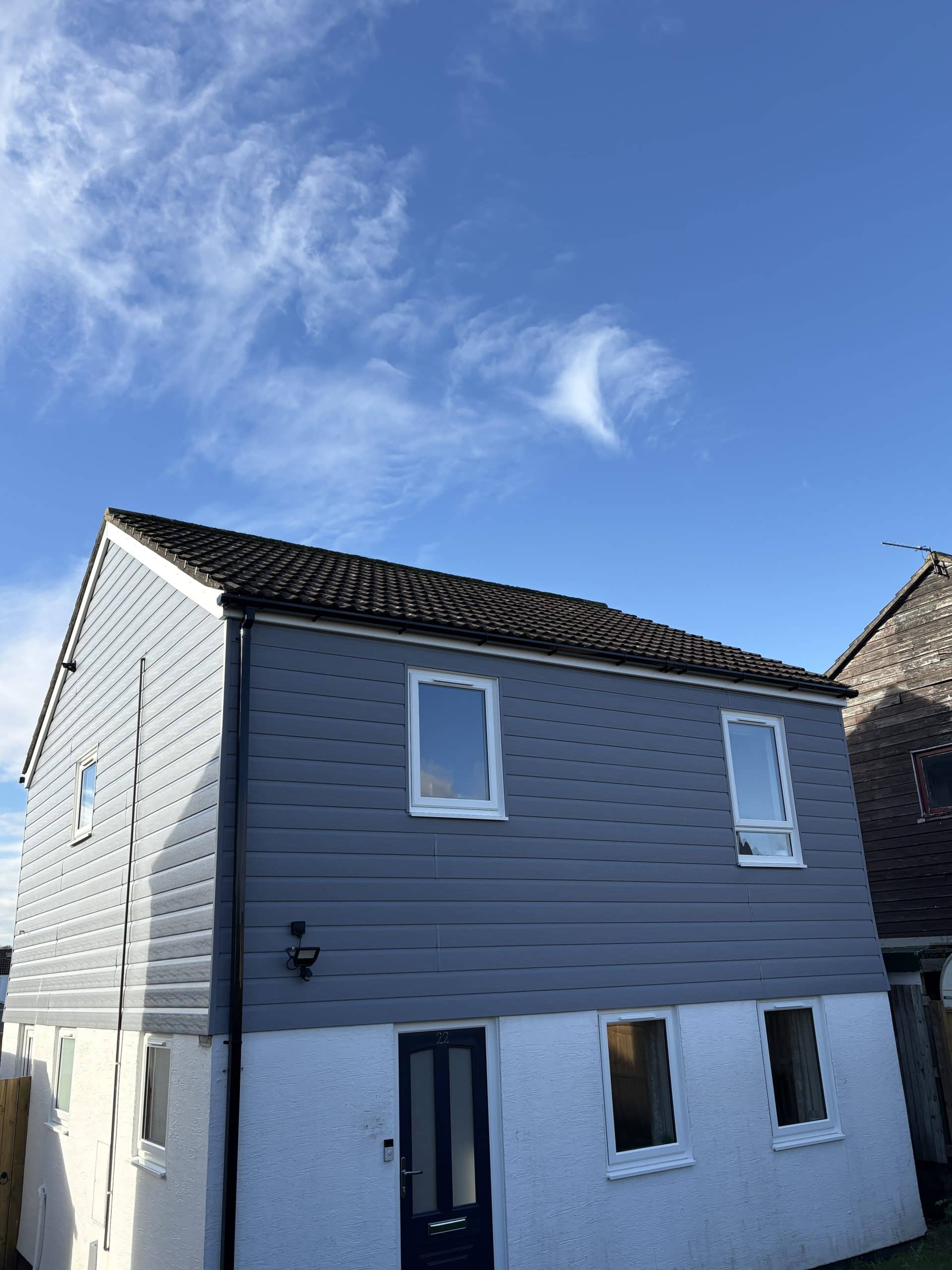
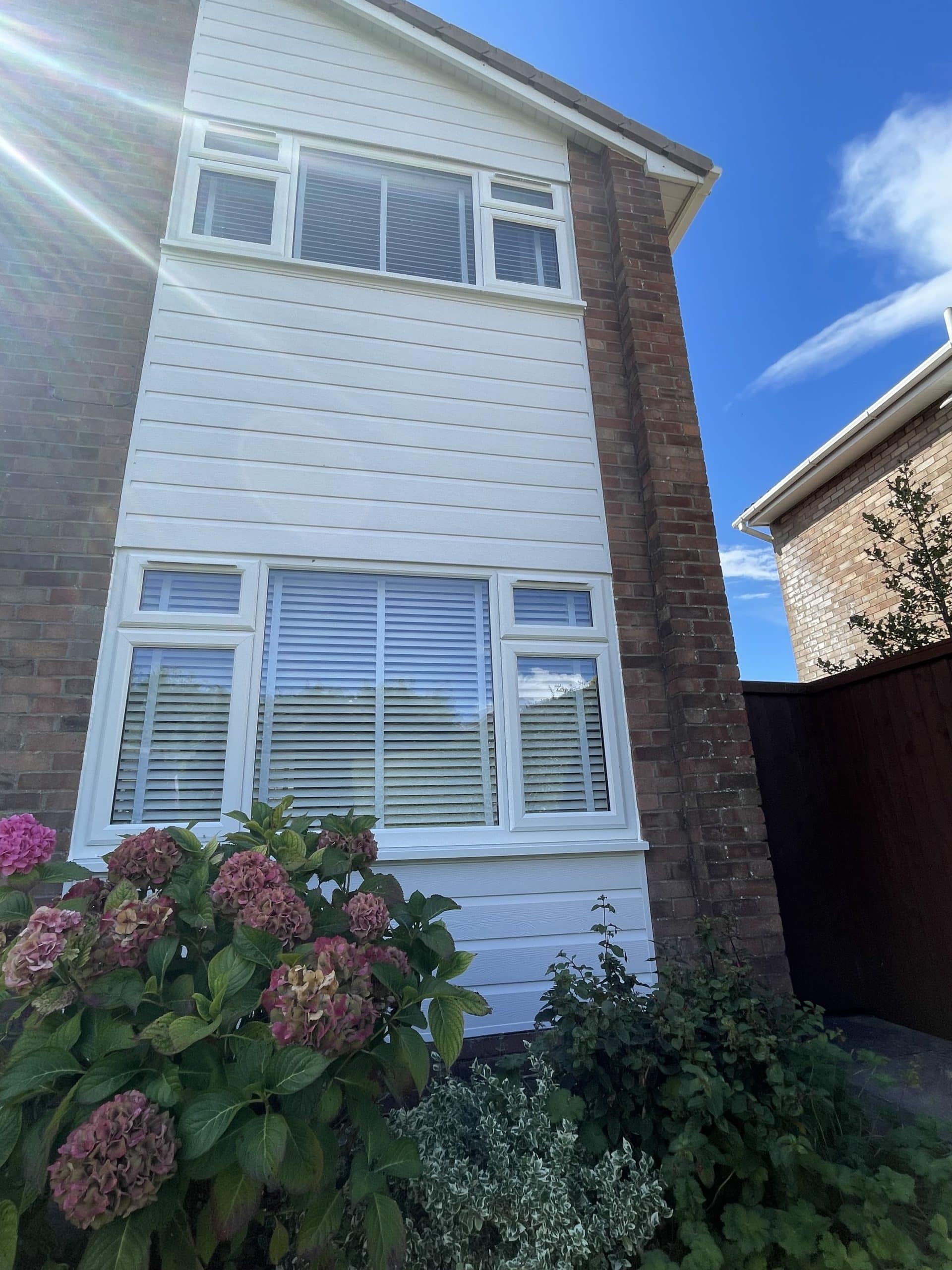
Another thing many people consider when replacing the roofline is appearance. New fascia boards, soffits and guttering can transform how a property looks externally, particularly on older homes where timber has become heavily weathered over the years. Clean rooflines, properly aligned guttering, and modern finishing details make a significant difference to kerb appeal while also improving protection for the property itself.
Of course, not every installation will age equally.
Properties where proper preparation work has been carried out, existing timber has been inspected carefully, and quality replacement boards have been installed correctly will almost always perform better long term than installations where shortcuts were taken during fitting.
That is usually where experience matters most.
Roofline replacement is not simply about making a property look smarter once the scaffolding comes down. The preparation work underneath, ventilation, fixing methods, gutter alignment and attention to detail throughout the installation all contribute towards how well the roofline performs years later.
Most homeowners searching online about the lifespan of fascia boards and soffits are really asking a bigger question underneath it all. They want reassurance that if they invest in replacing the roofline properly now, they should not be dealing with the same problems again anytime soon.
uPVC Roofline System
For most properties, a properly installed uPVC roofline system should provide decades of reliable protection with very little maintenance required. As with most external home improvements, though, the quality of the installation usually makes the biggest difference over time.
Frequently Asked Questions
How long do uPVC fascia and soffits normally last?
A properly installed uPVC roofline system can often last 20 to 30 years or more, depending on installation quality, material quality and ongoing maintenance.
Do fascia boards need maintenance?
uPVC fascia boards require very little maintenance compared to traditional timber. Occasional cleaning and regular gutter maintenance are usually sufficient.
What shortens the lifespan of the roofline?
Poor installation, covering over deteriorating timber, blocked guttering and inadequate ventilation can all reduce roofline lifespan over time.
Is replacing fascia and soffits worth it?
For many homeowners, replacing an ageing timber roofline with a modern uPVC reduces maintenance requirements and helps protect the property long term.
Why is ventilation important in roofline systems?
Ventilation helps reduce moisture build-up within roof spaces and forms an important part of modern roofline installation.
Do all fascia boards provide structural support?
No. Full replacement fascia boards are designed to provide structural support for guttering systems whereas thinner cover boards rely on existing timber underneath.
Which areas in South Wales commonly replace the roofline?
Roofline replacement is common across Cardiff, Newport, Caerphilly, Bridgend, Chepstow and surrounding South Wales areas, particularly on older properties with ageing timber fascia and soffits.