Should I Repair My Fascia and Soffits or Replace Them? A Homeowner’s Guide for South Wales
If you’ve ever owned a home, you’ve likely asked: “Can I fix this, or do I need to replace it?” There’s no one-size-fits-all answer—it depends on what’s happening beneath the surface, the different types of fascia and soffits available, and how they suit your exterior needs.
After nearly 30 years working on homes across South Wales, we’ve seen it all. Some issues can be repaired and last for years; others look fine outside but are failing underneath. It’s important to remember that fascia and soffits play a crucial role in protecting the exterior and outer walls of your home, and any installation or replacement is a project that requires careful consideration.
This guide will help you understand how to make the right decision for your home, and why seeking professional advice is often recommended when deciding on repair or replacement.
What Are Fascia and Soffits and Why Do They Matter, Anyway?
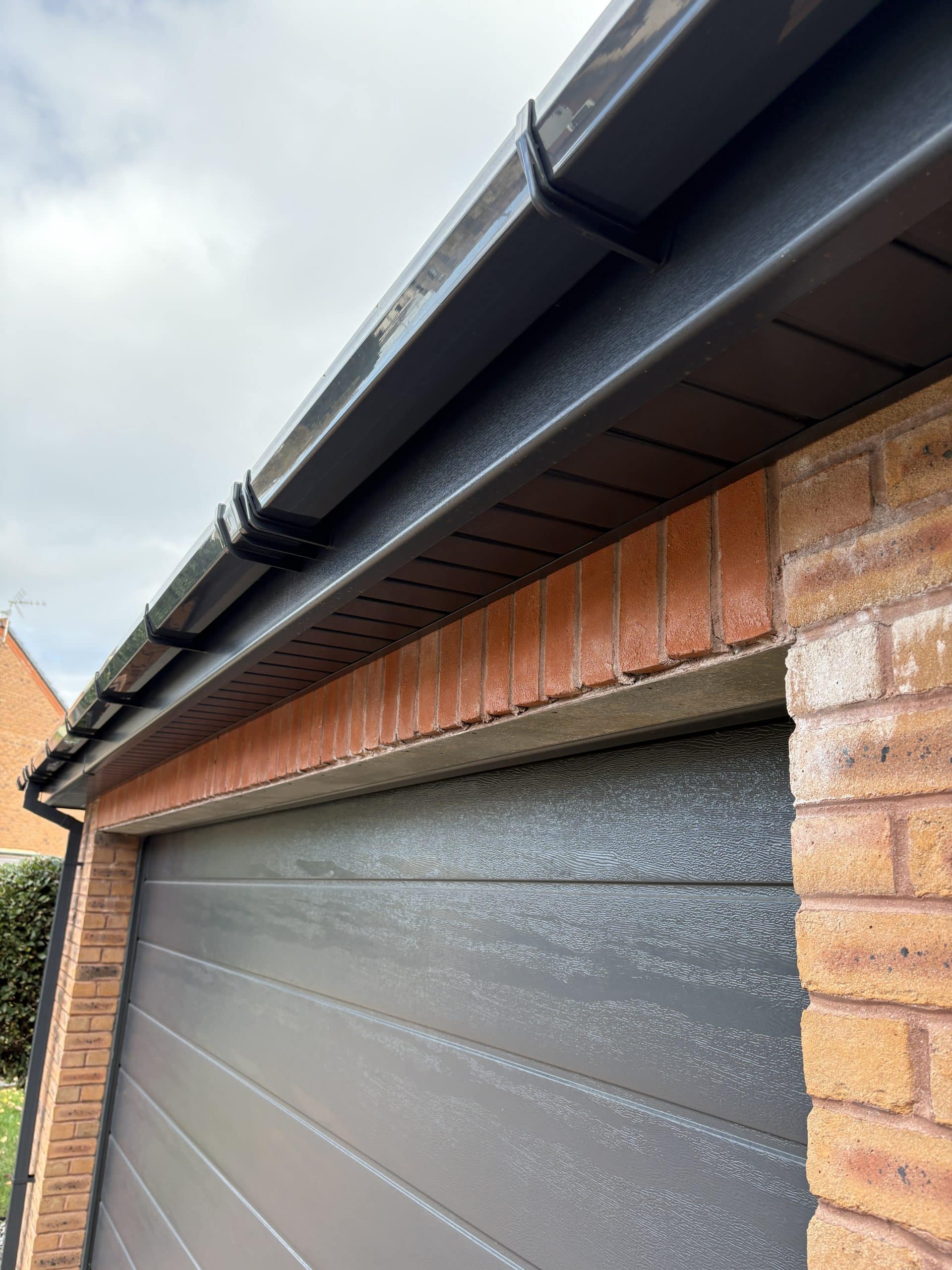
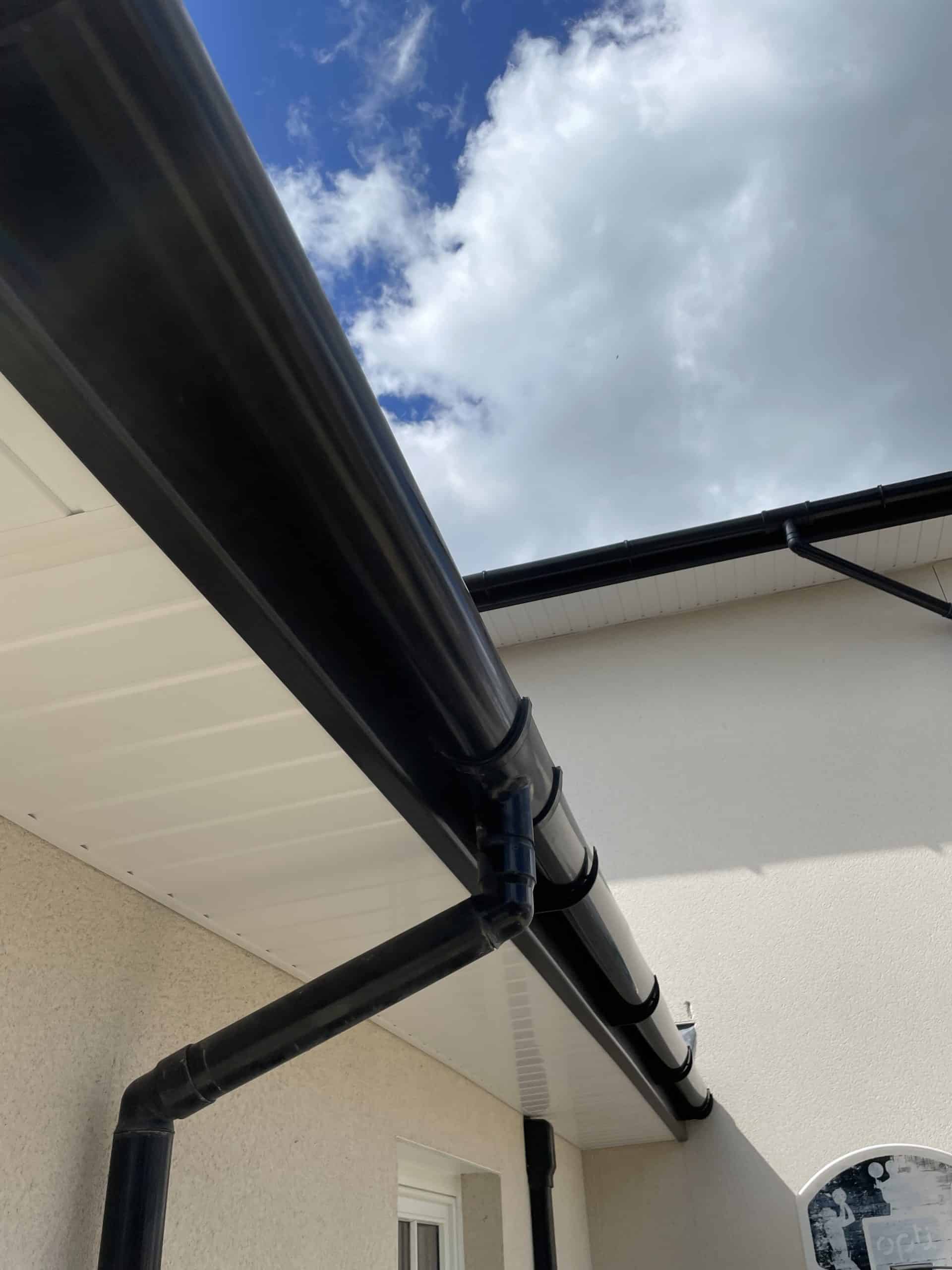
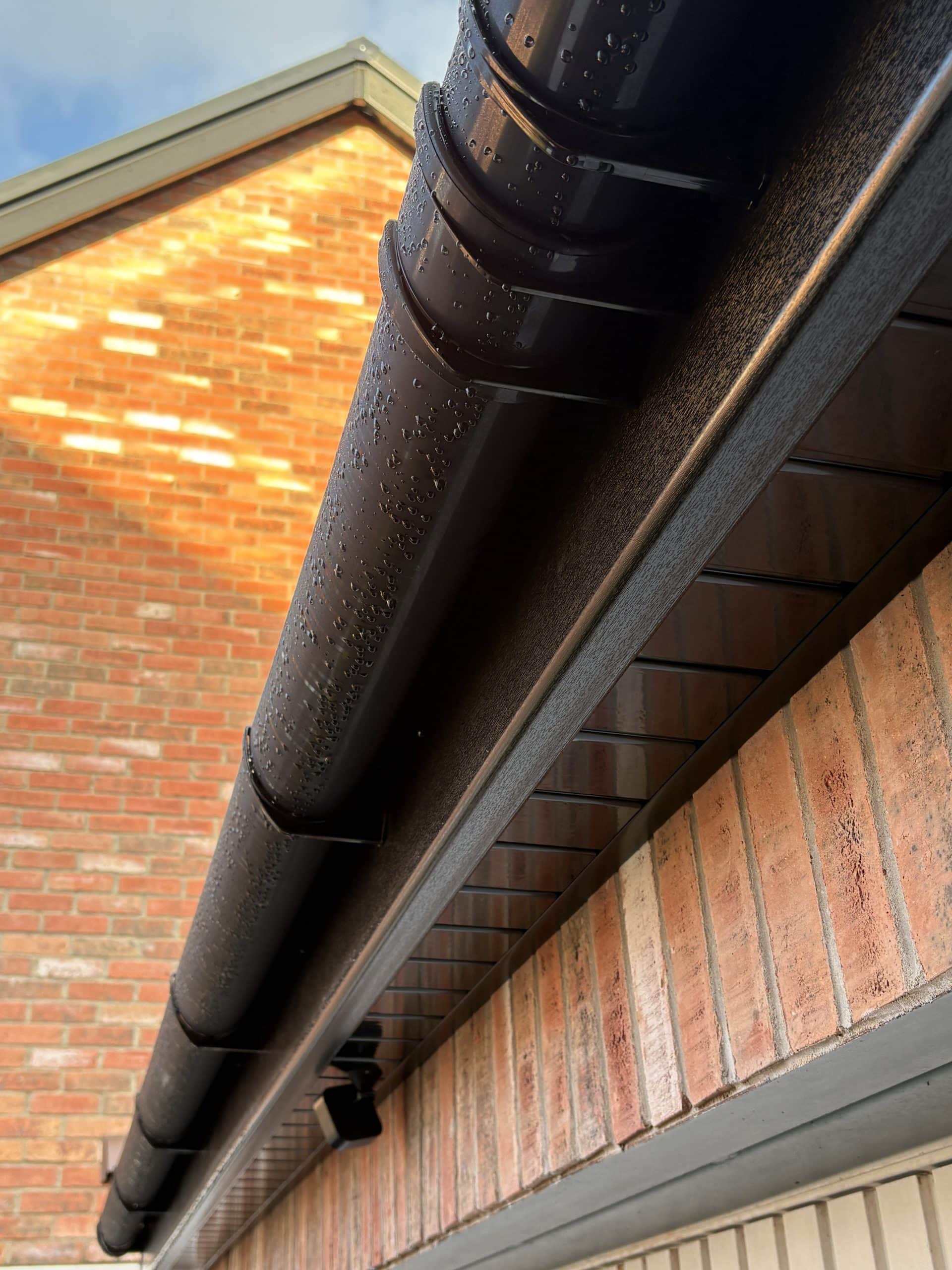
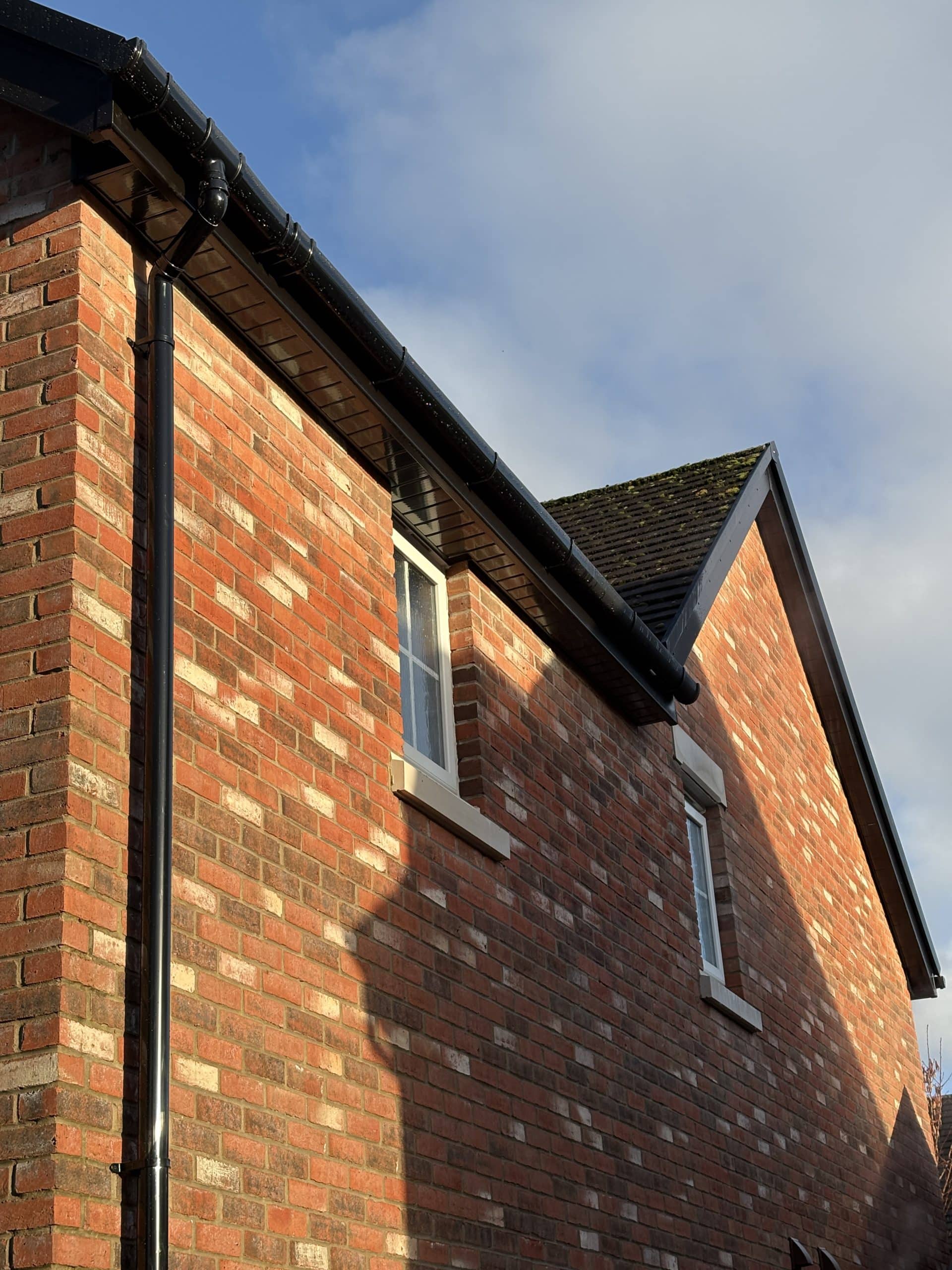
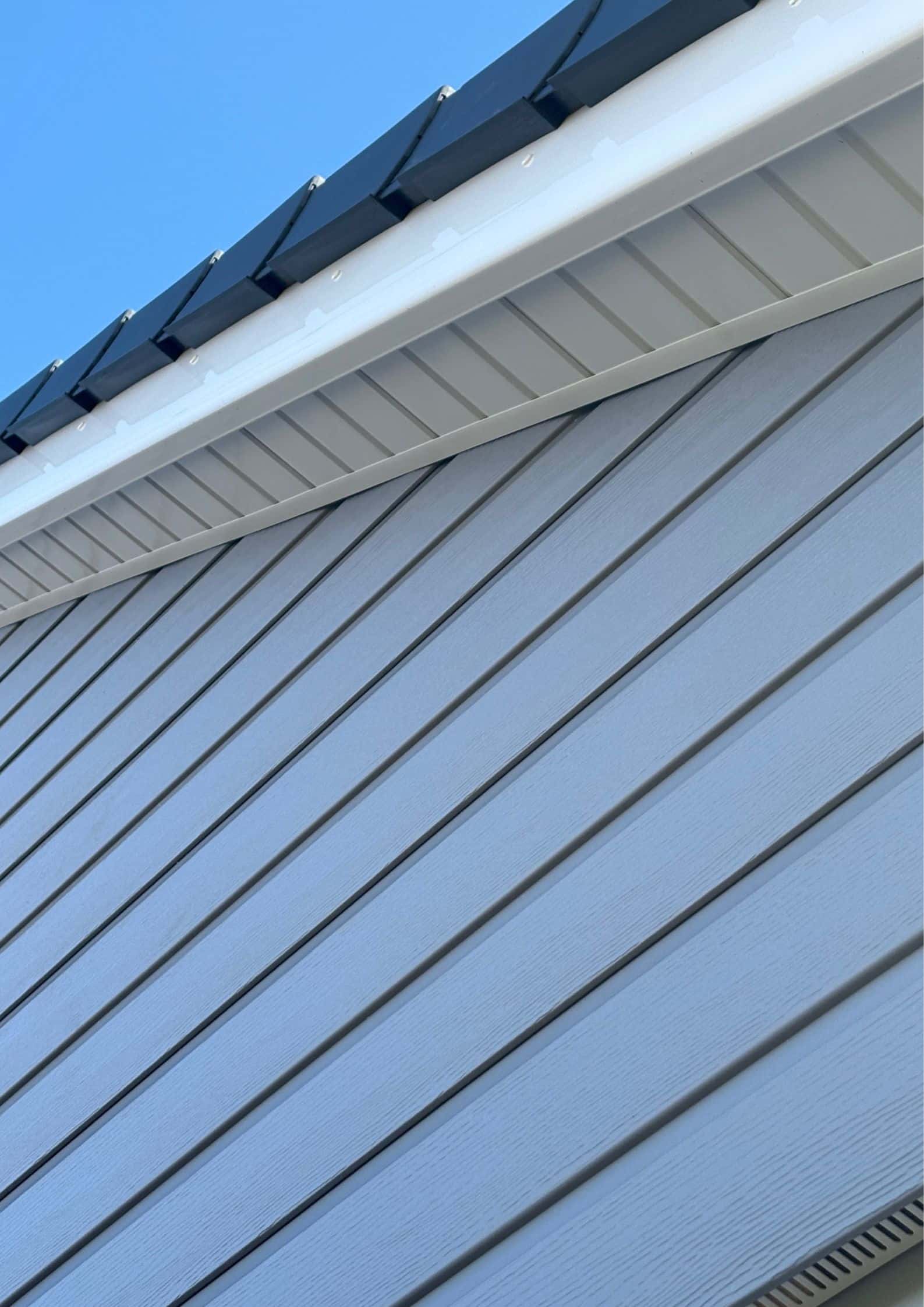
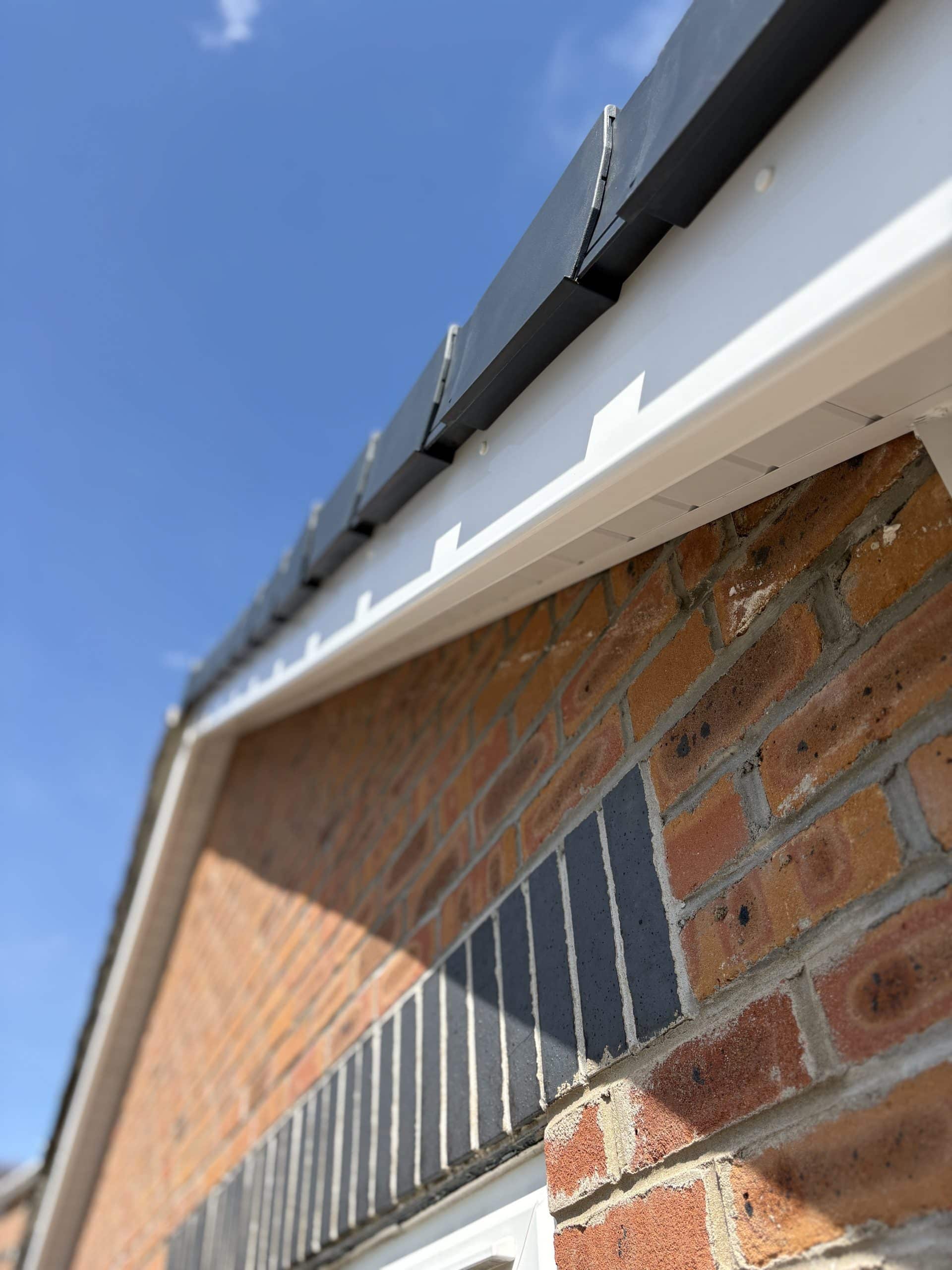
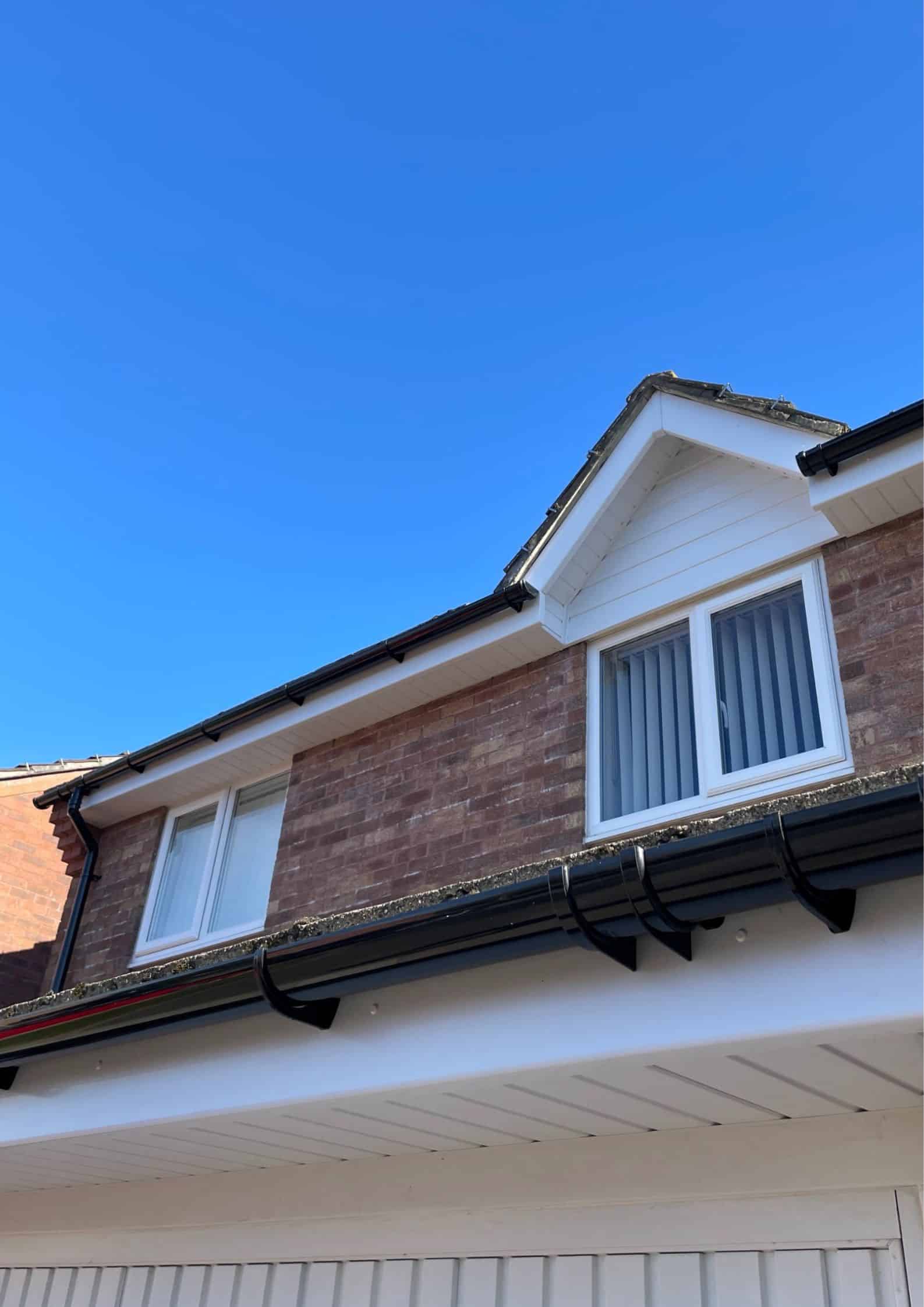
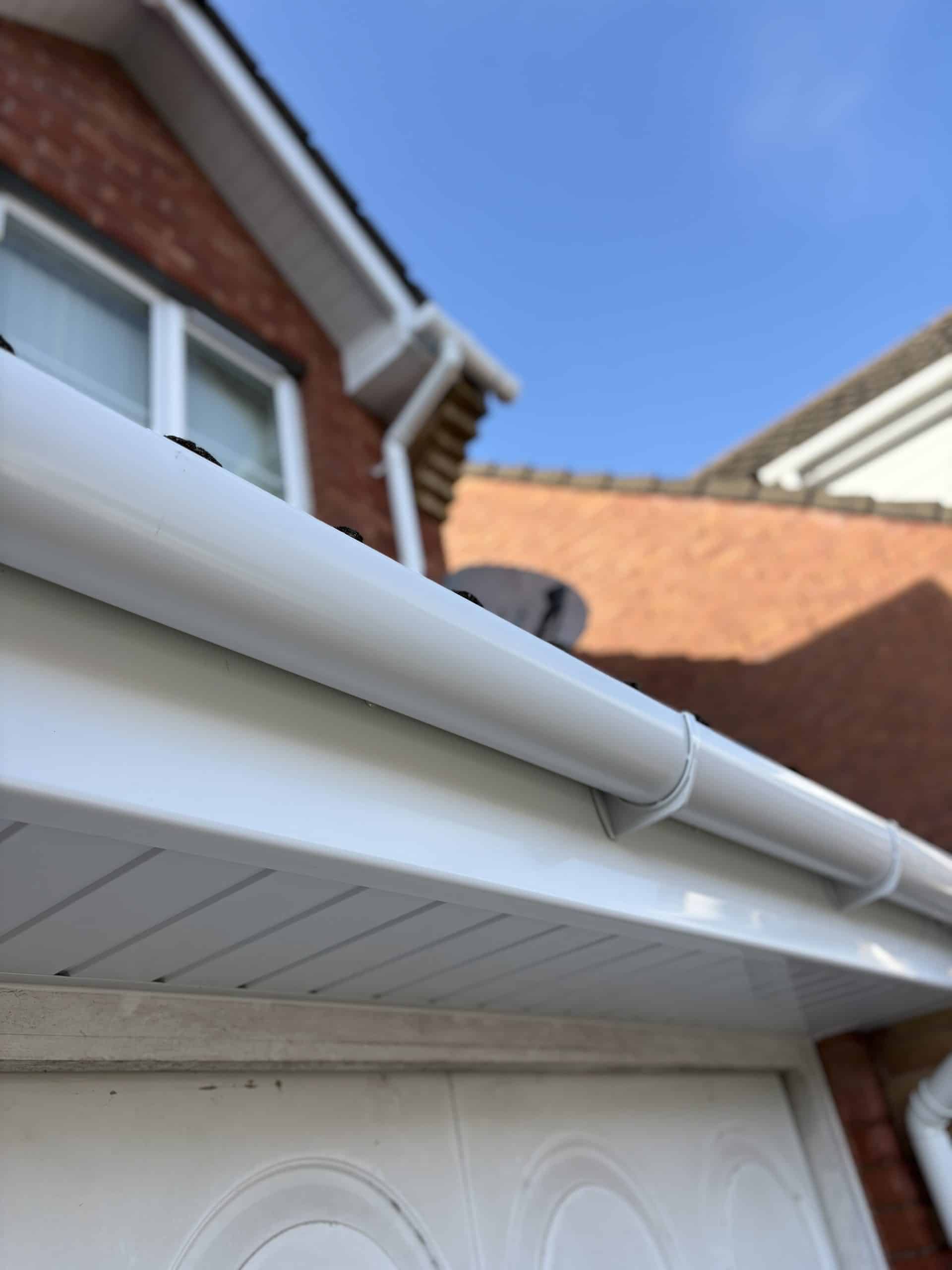
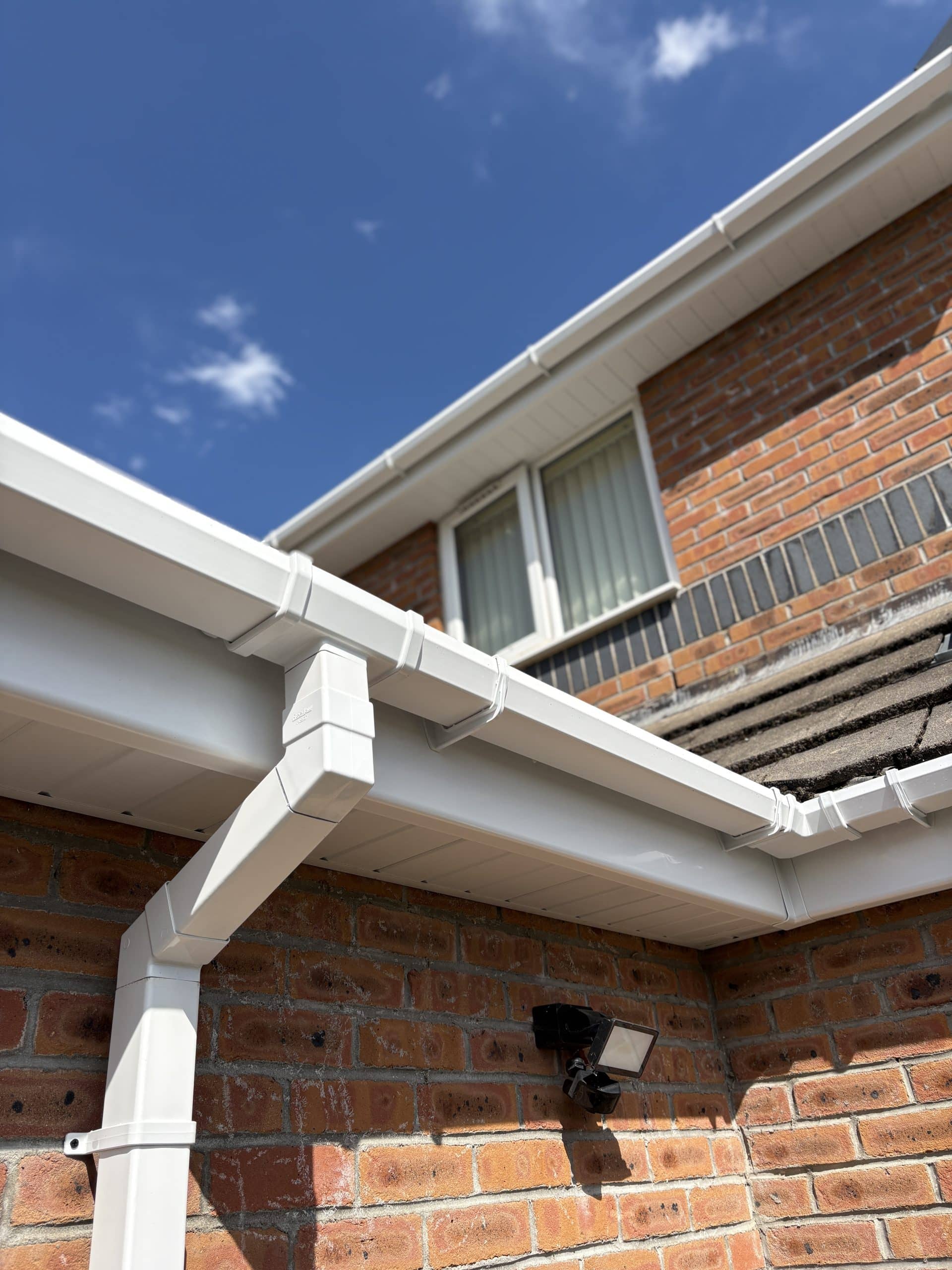
Your fascia boards and soffits are two of the most important bits of your roofline system.
- Fascia boards run as a straight board along the lower edge of your roof, providing support for roof tiles and guttering, and keeping your guttering from falling off
- Soffit boards (or soffit fascias) sit underneath, closing the gap between the wall and the edge of the roof, and create a sealed barrier to protect the roof cavity from insects, birds, and rodents
Between them, they:
- Protect the house by supporting the roof structure and preventing weather damage
- Stop water from getting into your roof structure and causing damage
- Help to ventilate your loft space
- Keep the birds and pests out
- Keep the entire guttering system stable and working properly
If they start to fail, it’s not just a cosmetic issue – it can lead to damp, rot and much bigger problems down the line.
Can Fascia and Soffits Ever Be Repaired?
Yes, in some cases. Repairs can be a good option if:
- The wood underneath is still in decent nick
- The damage is minor and only in one spot
- Your guttering is still properly supported
- You’re just looking for a quick fix, for now
Proper fitting and sealing are essential during repairs to ensure that no exposed areas are left vulnerable to further damage from weather or pests.
We do a lot of gutter and roofline repairs across South Wales, and when something can be fixed, we always say so. But here’s the thing – a repair should actually fix the problem, not just bodge it over.
What We Normally Find When We Have a Look Behind an Old Roofline
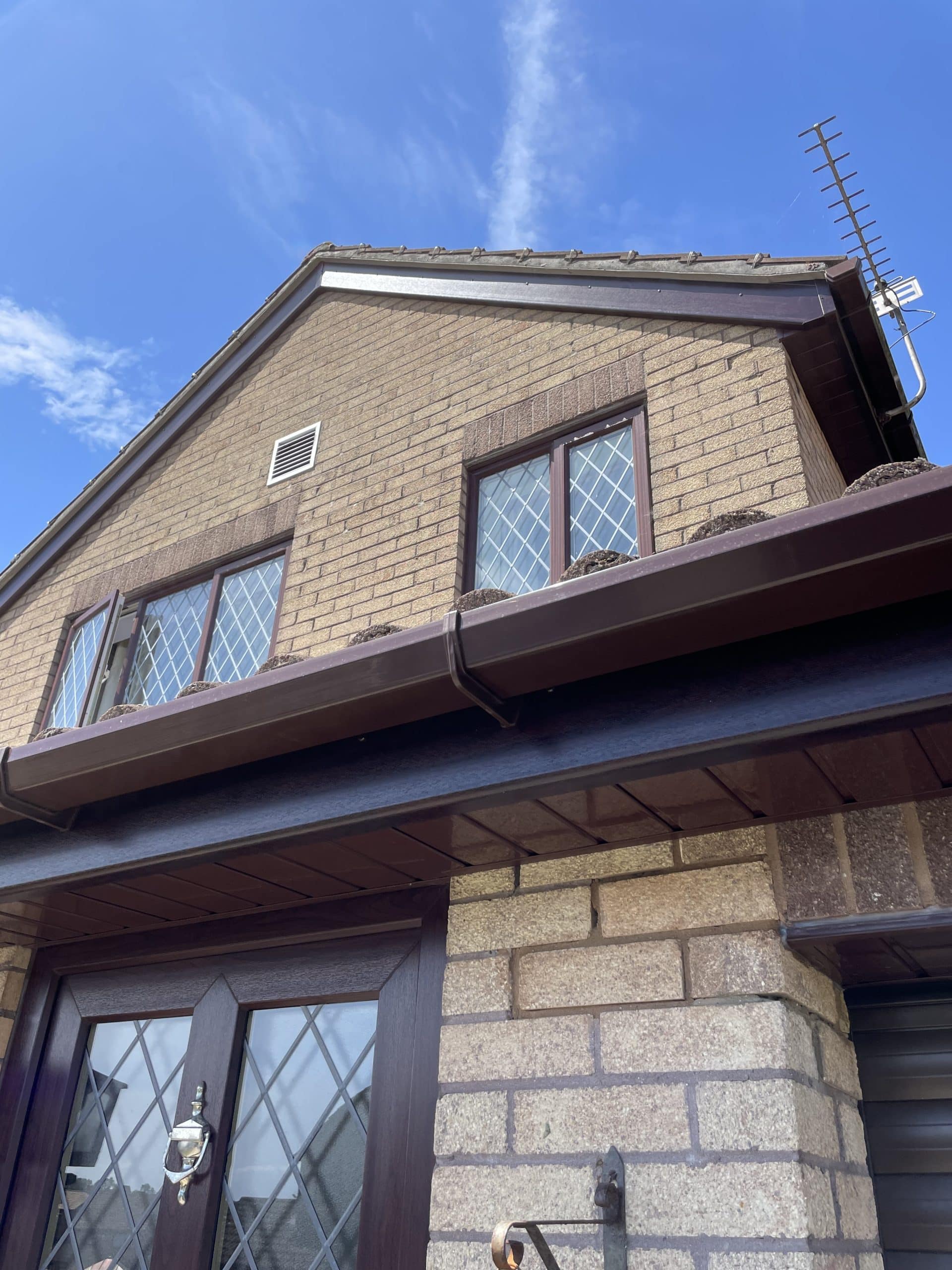
This is the part most homeowners don’t get to see. From the outside, your fascia boards might just look a bit tired – maybe the paint is peeling or the wood is looking a bit worn. But once we take a closer look… well, it can be a whole different story:
- We often find rotting fascia boards hidden away
- Moisture is trapped behind old coverings that have been there for years
- No proper ventilation at all
- Loads of old, bodged repairs layered on top of each other
- Rust on metal fascias or fixings, especially where older materials have been used
- Warping of wooden fascias, or even some plastics, due to prolonged exposure or poor installation
It’s crucial during any repair or replacement to inspect for structural weakness and ensure fascias and soffits are securely fastened to prevent sagging or detachment over time.
This is especially common on older properties across places like Cardiff, Newport, Caerphilly, Pontypridd and loads of other towns in South Wales. What looks like a small fix can quickly turn into a much bigger problem once we expose it.
The Problem With Capping Over Fascia Boards
You may have heard of “capping” fascia boards with plastic. It’s a quick fix but not a real solution. If the wood underneath is weak, capping just covers the problem temporarily. We’ve seen many cases where this leads to repeated repairs and eventually full replacement. Additionally, capping can leave parts of the fascia exposed if not properly sealed, increasing the risk of moisture and pest intrusion.
If the timber is compromised:
- It will keep rotting
- Fixings will loosen
- Gutters may sag
- Water can still get in
We often have to replace capped rooflines, meaning customers pay twice and face bigger issues. A proper job fixes the problem for good, not just covers it up.
When Should You Replace Fascia and Soffits?
Full replacement is usually the way to go when:
- The old timber is soft, rotten or just plain knackered
- Your guttering is sagging or not supported properly
- There’s no way to properly ventilate the space underneath
- You’re constantly having to fix or repaint things
- You want a long-term, low-maintenance solution that will just work.
A full roofline replacement project involves:
- Removing the old fascia boards and preparing the area for installation
- Installing new uPVC fascia and soffits that will last
- Ensuring proper fitting and alignment as you install fascias and soffits, including securely fastening them and checking for any structural weakness
- Adding over-fascia ventilation so air can actually get in
- Installing eaves protection to guide water into the gutters where it belongs
- Making sure the guttering is properly secured to the new boards
Proper fitting is essential to protect your property from weather damage, rot, and pests, and to ensure the new components perform as intended. The installation of fascias and soffits is a project that typically takes between one and three days, depending on the size and complexity of your property.
This approach means everything works together as a proper system, rather than just a bunch of individual bits cobbled together.
uPVC vs Timber Roofline
Lots of older homes in South Wales still have timber rooflines, and while it looks great when it’s properly maintained, it’s always going to need some sort of upkeep.
Today, homeowners can choose from a range of different types of fascia and soffit materials, including composite, aluminium, and uPVC.
When selecting between materials, key factors include maintenance, durability, and cost.
High Maintenance
Timber roofline:
- Needs regular painting
- Can rot over time
- Prone to warping and requires regular sealing to prevent moisture exposure
- Requires loads of ongoing care
Low Maintenance
uPVC roofline:
- No painting required
- Is weather-resistant
- Is long-lasting and low maintenance
- uPVC are resistant to corrosion
- uPVC soffits are lightweight, making them easy to handle and install
That’s why most people these days choose to replace timber with uPVC fascia and soffits. Natural timber or wood-effect uPVC is often the preferred choice to preserve the character of traditional property styles.
Is It Cheaper to Repair or Replace Roofline?
Repairs are usually cheaper upfront. But here’s the thing – it’s a false economy. If you:
- Fix it now
- Then fix it again
- Then, eventually, do a full replacement down the line
You’ll probably end up spending more overall than just getting it done properly in the first place. A full replacement is an investment in your home that saves you loads of hassle and extra cash in the long run.
How Long Should Fascia and Soffits Last?
This all depends on the material and how well they were fitted. Proper fitting and secure fastening are essential for maximising the lifespan of fascias and soffits, as well as preventing issues like sagging or detachment. It’s also important to inspect for any signs of structural weakness during installation to ensure long-term durability.
- Timber fascia boards might last 10-20 years if given a bit of TLC
uPVC Fascias and uPVC Soffits
- uPVC fascia and soffits can easily last 20-30 years or more if installed correctly
But poor installation or just covering up existing problems can cut the lifespan to ribbons, which is why getting the installation right is just as important as using good quality materials.
Regular maintenance of fascias and soffits, such as cleaning and inspecting for damage, can help prolong their lifespan and avoid costly repairs.
The importance of roofline ventilation
Ventilation is an often-overlooked part of a roofline system – but it’s actually pretty crucial.
Without it:
- Moisture builds up in the loft
- Timber structures start to deteriorate
- Insulation just doesn’t work as well as it should
Modern roofline systems come with over-fascia vents, which allow proper airflow without leaving a mess. Now, this isn’t the only thing to keep a roof space well-ventilated, but it’s an important part of the bigger picture.
Repair or Replace Fascia and Soffits: A Simple Guide
Repair might be the way to go if:
- The damage is minor
- Timber is still strong and sturdy
- You just need a temporary fix
But if:
- Is there any sign of rot
- The system is getting old or failing
- You want a long-term solution
- You want to avoid having to do the job all over again in a few years
Key issues to consider when deciding between repair and replacement include the extent of damage, the age of the materials, and whether problems like rotting wood, peeling paint, pest infestation, blocked ventilation, or sagging/detachment are present. Seeking professional advice is recommended to ensure you make the right decision for your fascia and soffits.
Roofline Services Across South Wales
At Mac Roofline, we specialise in:
- Replacing uPVC fascia and soffits
- Roofline replacement
- Installing and fixing gutters
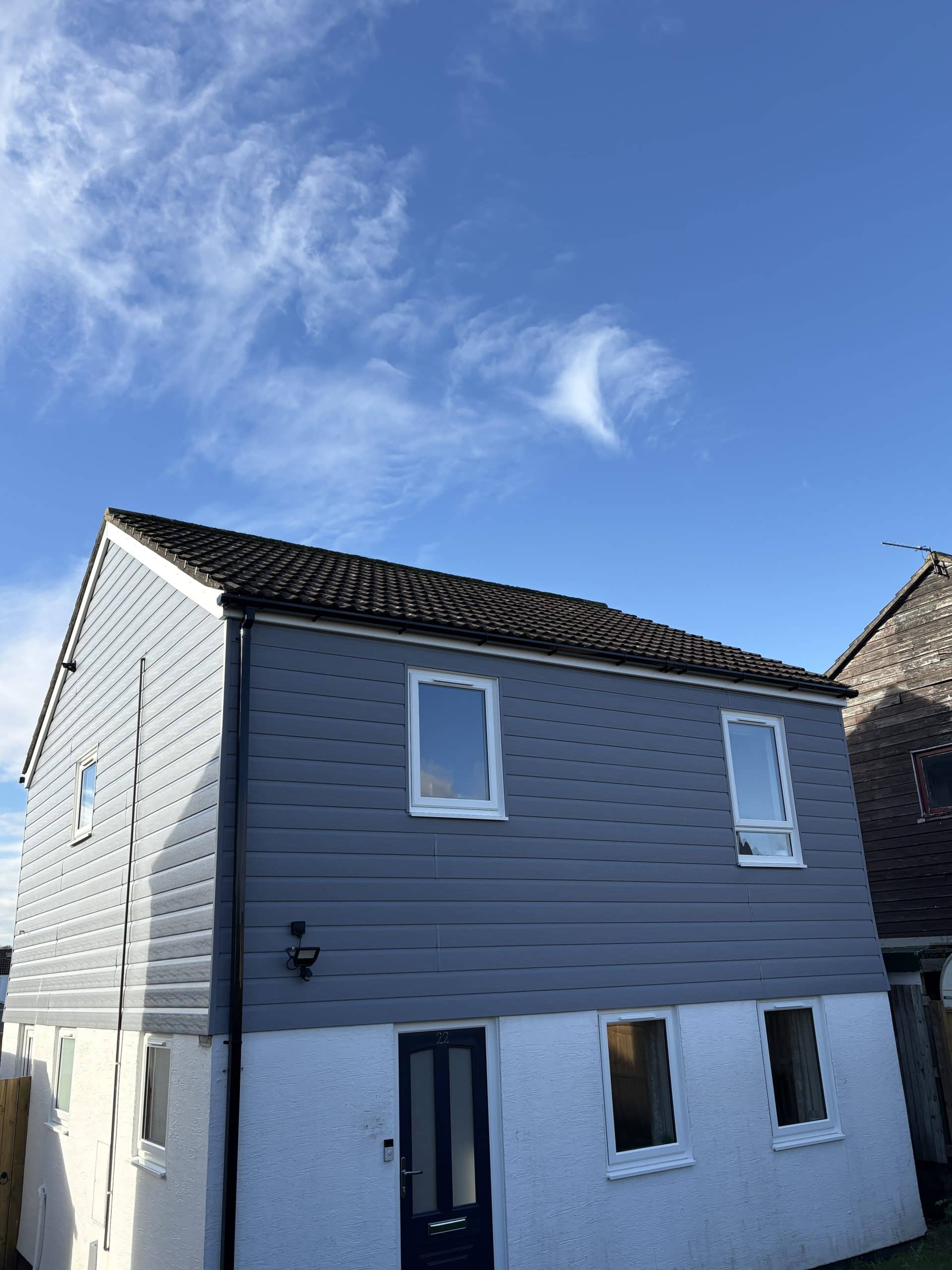
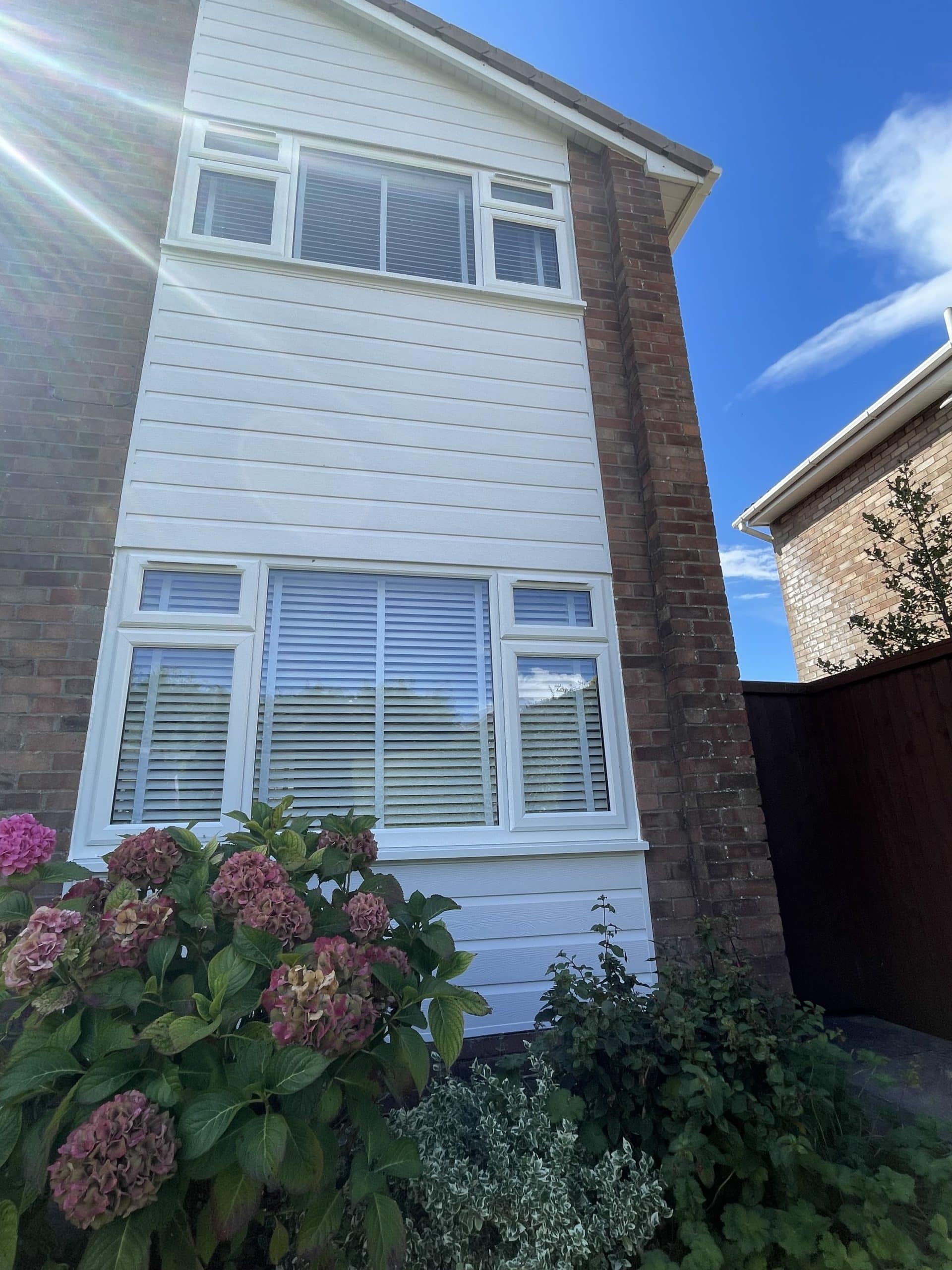
- Installing cladding
- Installing dry verge systems
We cover Cardiff, Newport, Caerphilly, Pontyclun, Bridgend, Chepstow and the surrounding areas of South Wales. Every quote we give is detailed, clear and based on exactly what your home needs
Frequently Asked Questions About Fascia and Soffits
How do I know if my fascia boards need replacing?
Look out for peeling paint, soft or rotting wood, sagging gutters or visible gaps – but the best way to know for sure is to get a proper inspection done, as damage can be hidden from view.
Can you repair fascia boards instead of replacing them?
If the damage is minor and the timber is still good to go, yes, you can. But if there’s any rot, replacing is usually the safer choice.
Is it worth replacing fascia and soffits with uPVC?
Absolutely – uPVC fascia and soffits are low maintenance, long-lasting and get rid of the hassle of painting and upkeep. Soffit boards and fascia boards are available in a range of profiles, including bullnose and square, and come in a variety of colours to suit different home styles.
How much does fascia and soffit replacement cost in South Wales?
It really depends on the size of the place and the condition of the existing roofline. Get a detailed quote, and you’ll get a much better idea.
What happens if I ignore damaged fascia and soffits?
You can end up with water ingress, rot, damp, pests and potential structural problems down the line.
Do new fascia and soffits improve house value?
Yes, they do – they also look better, reduce maintenance and reassure potential buyers that the property has been looked after.
How long does it take to replace a roofline?
Most standard homes can be done within a few days, depending on size and complexity.
Are these products made in the UK?
Many fascia and soffit products, including uPVC soffit boards and fascias, are manufactured in the UK, supporting local industry and ensuring high quality.
Is installation something I can do myself?
Proper installation methods are crucial for the longevity and performance of fascia and soffits. While some experienced DIYers may tackle the job, professional installation is recommended to ensure correct fitting and long-term durability.
Final Thoughts
Your roofline is working for your home every day, often without you even noticing. When it starts to fail, you need to make the right call early. A quick repair can be useful in a pinch, but when replacement is needed, doing it right in the first place will save you time, money and stress down the line.
At Mac Roofline, we focus on getting the job done right from the start.
REPLACE. REPAIR. CLEAN.
Fitted to last. Built to last. Still here. Still trusted. Since 1998.