Why Looking After Your Roofline in Winter Is One of the Most Important Things You Can Do for Your Home
Winter in the UK brings unpredictable weather, with heavy rain, freezing temperatures, strong winds, and weeks of moisture that seems to linger and never dry out. While most homeowners are busy preparing for winter by checking their boiler, giving their windows a good seal, and clearing up the garden, one important part of the home that gets overlooked is the roofline.
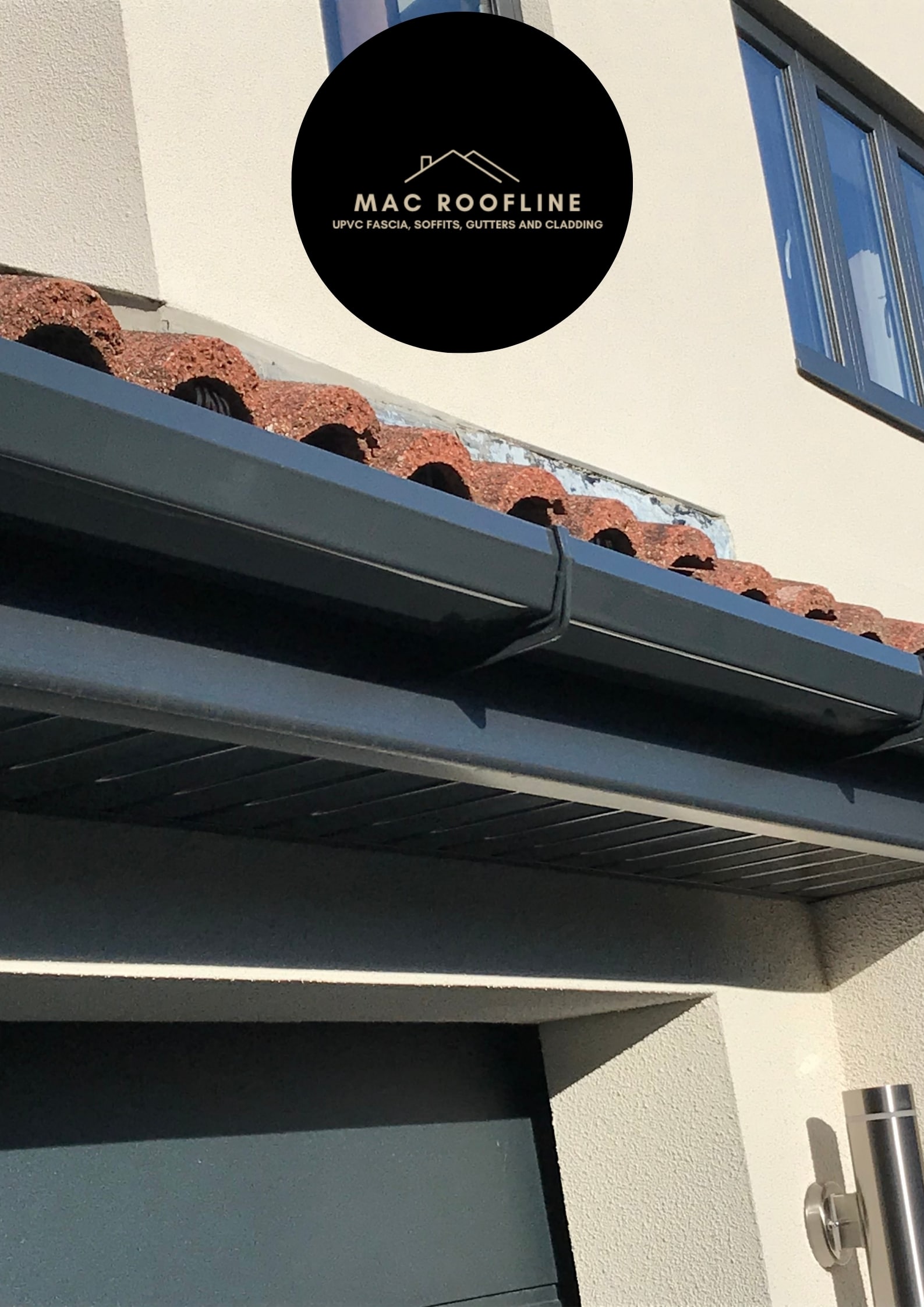
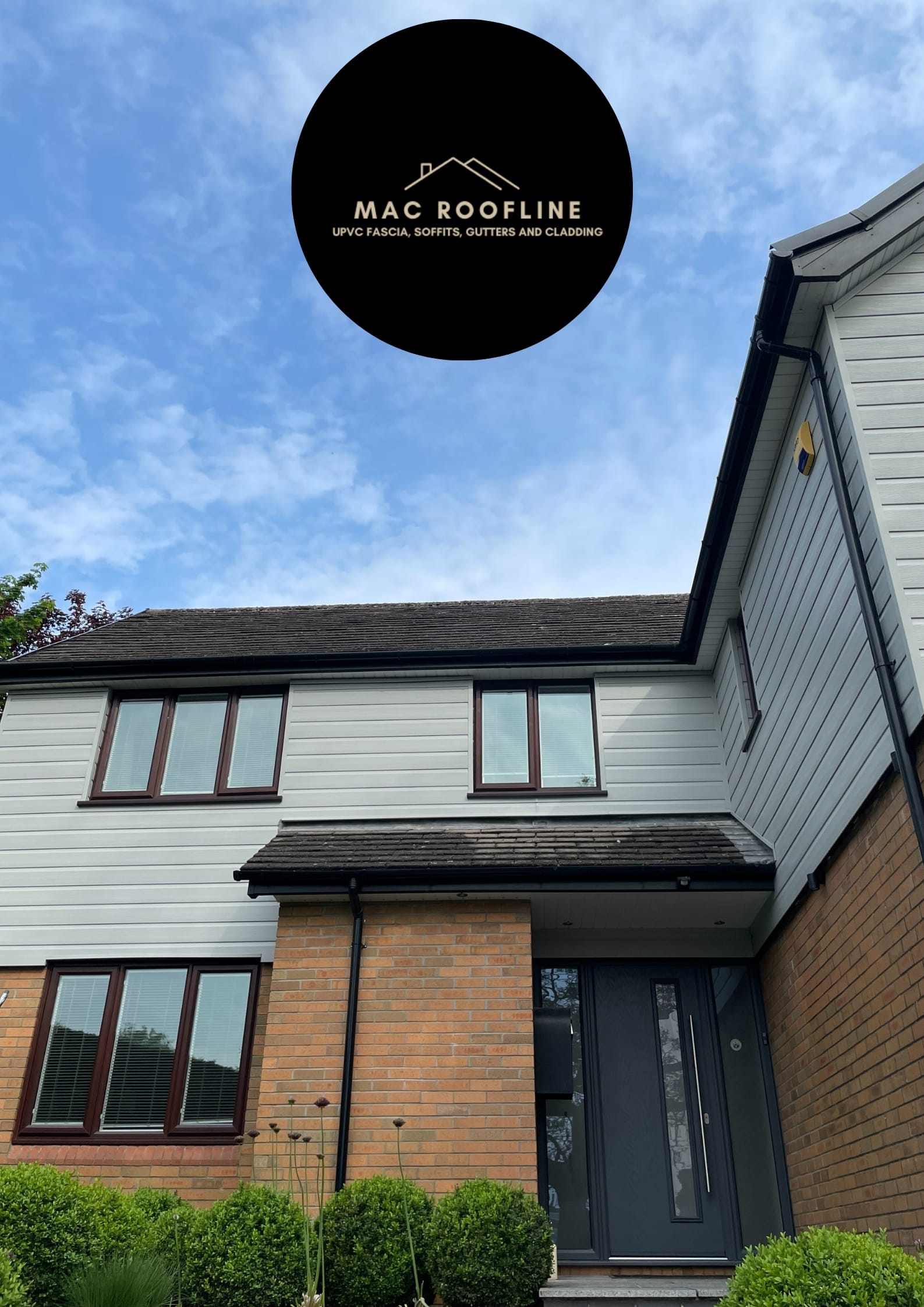
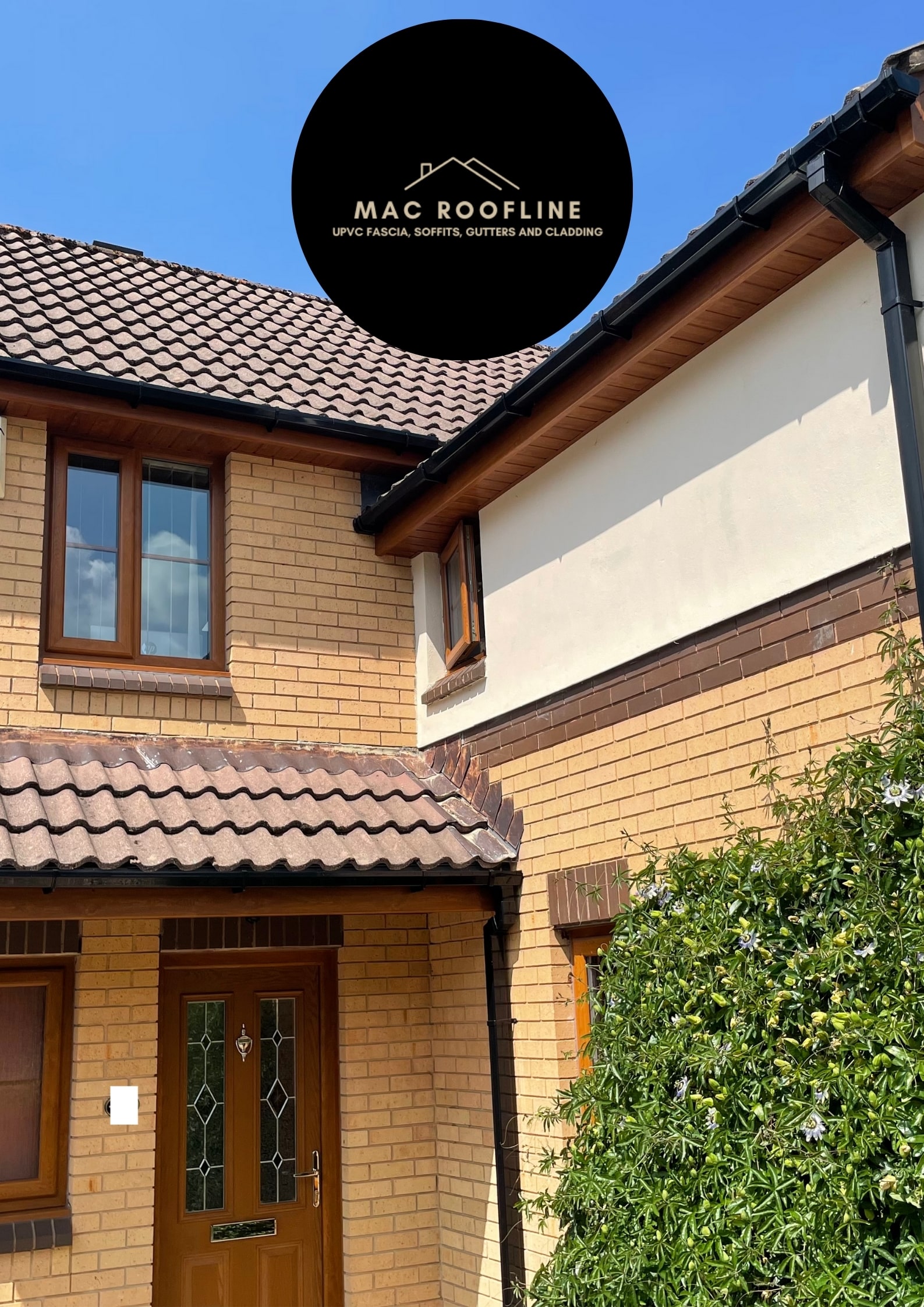
The roofline is made up of fascia boards, soffits, guttering, downpipes, and, in many homes, cladding. These components all work together to protect your home from dampness, ensure proper water drainage, regulate airflow, and prevent structural decay. In the winter months, they face the harshest conditions of the year. Without proper care, winter can expose, or even create, weaknesses that will lead to expensive damage, even in areas that you might think are completely covered by the roofline.
This article explains why winter roofline maintenance is essential, the common issues homeowners face during colder months, and the preventative steps that protect your property from long-term harm. It is written to help homeowners across the UK—especially in high-rainfall areas like Cardiff, Newport, Caerphilly, Pontypridd, Bridgend, Cwmbran, Barry and the wider South Wales region—understand how vital roofline care is during winter.
1. Winter Weather Exposes Weaknesses in Your Roofline
The British winter brings a combination of moisture, frost, fluctuating temperatures, and strong winds, all of which place additional pressure on roofline components.
Heavy Rainfall
Between November and March, rainfall increases significantly, forcing gutters and downpipes to cope with a larger volume of water. Additionally, any existing blockage becomes a major problem. Overflowing gutters may seem like a small nuisance, but during winter, the consequences are more severe, often allowing water to leak behind fascia boards or spill onto exterior walls. To prevent this, many homeowners consult experts to check for hidden issues before winter arrives.
Freezing Temperatures
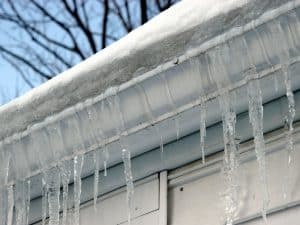
When the temperature drops, any water trapped in blocked or misaligned gutters can freeze and expand, leading to:
- Cracked joints
- Gutters being forced apart
- Heavy ice build-up
- Sagging sections
- Leaks inside the home
Frozen gutters are one of the leading causes of winter roofline failure.
High Winds
Winter storms can affect gutters and the roofline in other ways as well. Strong storms can loosen gutter brackets, lift cladding panels, or even pull soffits away from the house. Even a small gap can allow wind-driven rain into the roof structure.
Constant Moisture
The short daylight hours and low temperatures mean surfaces stay wet for longer. This increases the risk of mould, rot, and water absorption in older wooden fascia or poorly fitted soffits.
2. Gutters Are the Most Vulnerable Roofline Component in Winter
Gutters are the first line of defence against rainwater—and the first point where winter problems appear.
Blocked Gutters Lead to Water Damage
Throughout autumn, leaves, pine needles, moss, and debris collect in gutter runs. Once winter arrives, the build-up becomes waterlogged and creates the perfect conditions for blockages. Thus, regular cleaning should be carried out with great attention to prevent serious water damage.
Blocked gutters cause:
- Persistent overflowing
- Water running behind the fascia
- Streaking and staining on exterior walls
- Render damage
- Increased risk of rot in wooden boards
- Ice dams in prolonged cold spells
In areas like Cardiff, Newport, and the Valleys, where rainfall levels are consistently high, blocked gutters become overloaded far more quickly.
Incorrect Gutter Alignment in Winter
A common but often unnoticed issue is gutters fitted with an upward slope towards the downpipe. In a cold season, this fault becomes more obvious because:
- Water sits in the gutter instead of draining
- Pooled water freezes
- The extra weight drags the gutter down
Even a few millimetres of incorrect alignment can cause a winter failure. This is also common where older homes have had multiple small gutter pieces joined together rather than one continuous length.
Frozen Gutters and Ice Dams
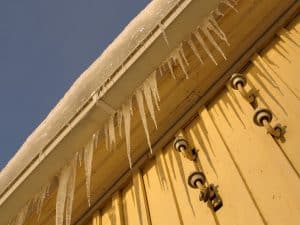
When standing water freezes over, icicles form, adding extra weight that can cause the brackets to start pulling away from the fascia board.
Ice dams also force melting water to flow backwards under the roof tiles, which can lead to some serious internal leaking.
3. Fascia Boards Need Protection From Moisture and Cold
The fascia board supports the entire gutter system, and in winter it becomes much more vulnerable because it has to withstand a variety of elements, including:
- Heavy rainfall
- Extra weight from ice
- Wind pressure
- Constant water exposure from overflowing gutters
If the fascia board is damaged, cracked, or made from old timber, winter moisture can seep in and cause:
- Rot
- Swelling
- Warped sections
- Gutter brackets loosening
- Structural weakness in the roof edge
Modern uPVC fascia boards resist winter weather far better than older materials, but even they need proper sealing and fixing to perform effectively and ensure durability. Professional roofline maintenance services can assess this thoroughly.
4. Proper Ventilation
Proper ventilation is essential to prevent cold spots, condensation in the attic, and damp penetration in the house. The combination of cold outdoor temperatures and warm indoor air from heating and steamy showers creates ideal conditions for condensation to build up inside the home, leading to dampness and mould. One way to help improve ventilation is to ensure the roofline allows for proper air flow, which helps ventilate the attic space.
5. Cladding Helps Protect Your Home From Harsh Winter Weather
Cladding provides an extra layer of protection against the elements. In winter it helps prevent:
- Wind-driven rain soaking into walls
- Frost penetration
- Heat loss on exposed elevations
- Rapid deterioration of old render
However, cladding can only perform well if:
- Panels are secure
- Joints are correctly sealed
- Ventilation gaps are maintained
- Edges and trims haven’t lifted in storms
If the cladding does become loose, it can trap moisture behind it, which is a significant problem in high-wind and coastal areas like Barry, Porthcawl, Newport, and coastal Cardiff.
6. Hidden Problems Often Begin Months Earlier, but Only Appear in Winter
The problem with roofline maintenance is that most winter problems start back in the summer but only become apparent once winter arrives. Getting a professional team to do regular inspections and reviews of all aspects of the roofline can help prevent a lot of unnecessary worry.
Issues that become noticeable in winter include:
- Gutter joints slowly leaking, which can be difficult to notice unless there is heavy downpour
- Fascia boards that weakened over summer, now giving in to winter weather
- Soffits with small gaps, allowing birds to enter in cold weather
- Cladding lifting during strong winds
- Downpipes being blocked at ground level by autumn leaves
Winter puts your roofline to the test.
7. Winter Roofline Issues Can Become Extremely Costly
If the roofline care isn’t maintained, especially in winter, it can lead to extreme costs and damage, including:
- Rotten timber in the roof edge
- Sagging or collapsed gutter runs
- Storm damage requiring full replacement
- Mould growth due to condensation
- Exterior rendering becoming stained or blown
A small blockage or loose joint can quickly escalate in winter, especially if heavy downpours hit a roofline with frozen gutters or if wind blows against weakened or damaged fascia boards.
8. Winter Maintenance Tips Every Homeowner Should Know About
Taking a few simple precautions before and during winter can make all the difference in protecting your home from costly damage.
a) Clear gutters and downpipes thoroughly
Remove leaves, moss, and sludge so water can flow freely during storms and frosts.
b) Check gutter alignment
Check from ground level whether water sits in the gutter. It should always drain towards the downpipe.
c) Look for loose joints and brackets
Winter storms can easily pull loose sections apart.
d) Inspect fascia and soffits for cracks or gaps
Any cracks or gaps can let water, pests, or cold air in, which causes condensation.
e) Check for signs of damp inside
After heavy rainfall, inspect ceilings, corners, and loft areas for any water staining.
f) Ensure loft ventilation is not blocked
Clear away any insulation from ventilation areas in the roofline to prevent winter condensation.
g) Watch for mould growth
Cold walls and poor drainage can cause mould to appear in winter, and it’s usually a sign of ventilation problems.
h) Perform a visual inspection after storms
The wind can move gutter runs, lift cladding edges, and shift soffit panels. It’s a good idea to do a quick inspection and get any maintenance sorted as soon as possible to prevent further damage.
9. Why Winter Is the Worst Season to Ignore Roofline Maintenance
Winter is the time when existing issues become much bigger problems. The combination of rain, frost, and wind can turn a minor blockage into a major leak or a small crack into a structural problem.
Homeowners who maintain their roofline in winter benefit from:
- Protection from damp
- Reduced risk of mould growth
- Longer-lasting roofline components
- Fewer costly repairs in spring
- Peace of mind during storms
A well-maintained roofline is one of the best ways to protect your home against the worst of winter weather, and cleaning regularly plays an important role.
10. When Should a Homeowner Seek Professional Help?
Most homeowners can perform basic checks from the ground, but there are certain signs that require professional evaluation. These signs include:
- Gutters constantly overflowing
- Water dripping behind fascia boards
- Visible sagging in gutter runs
- Soffits appearing swollen or cracked
- Birds entering the roof space
- Loose or rattling cladding panels
- Downpipes backing up during rain
A specialist can safely inspect all the high areas, check for any hidden problems or damage, and advise on the best long-term solution. This will help ensure the roofline remains durable and its appearance is maintained.
Conclusion: Winter Roofline Care Protects Your Home All Year Round
Your roofline is one of the most important parts of your home when it comes to ensuring everything is safe, especially during winter. By keeping the gutters clear, ensuring proper drainage, checking fascia and soffits, maintaining ventilation, and inspecting cladding for damage, you prevent costly problems and maintain the long-term health of your property.
Regular winter roofline maintenance doesn’t just defend against rain and frost. It helps protect your home from damp, mould, heat loss, and structural deterioration. A well-cared-for roofline ensures your home stays safe, dry, and energy-efficient throughout the colder months and beyond, offering a range of protective benefits.